obs 20 by .
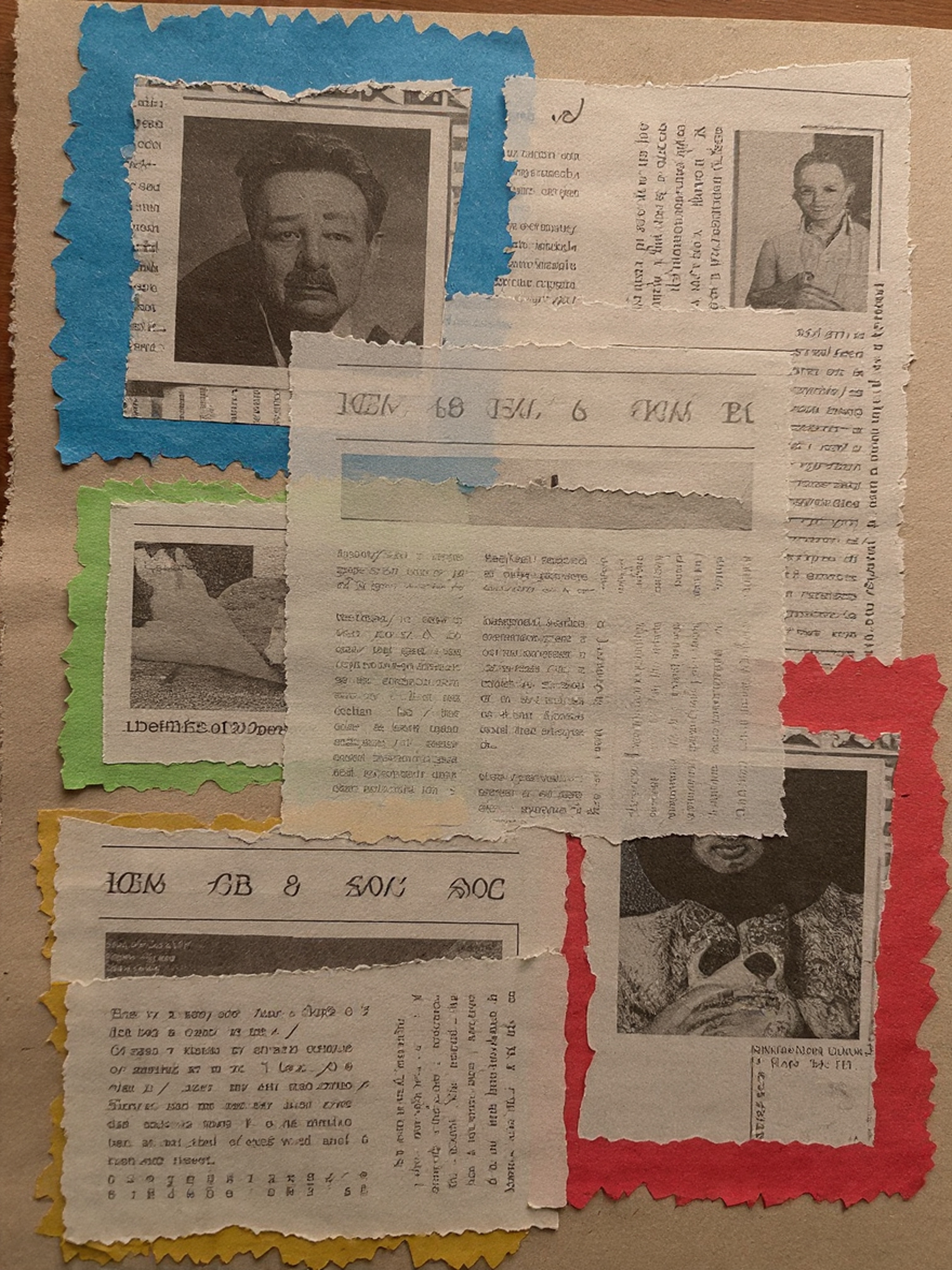
Character is not built in a day, but rather through consistent habits, challenges, and interactions with the world. Here are 25 character-building activities divided by the specific traits they foster.
These activities are adaptable for children, teens, and adults.
Service & Empathy
Building compassion and a sense of community.
Volunteer at a Local Food Bank: Seeing food insecurity firsthand teaches gratitude and the importance of community support.
The "Secret" Kindness Mission: Perform five random acts of kindness in one week without telling anyone or seeking credit. This builds humility.
Interview an Elder: Spend an hour asking a grandparent or elderly neighbor about their life struggles and triumphs. This fosters respect and perspective.
Handwritten Thank You Notes: Write sincere letters to three people who have helped you, detailing exactly what they did. This practices active gratitude.
Park or Beach Cleanup: Spend an afternoon picking up trash in a public space. This instills a sense of stewardship for the environment.
Resilience & Grit
Learning to push through discomfort and failure.
The "No Complaints" Challenge: Go 24 (or 48) hours without voicing a single complaint. If you complain, the clock resets. This builds mental discipline.
Learn a Difficult Skill: Commit to learning something that doesn't come naturally (e.g., juggling, coding, a new language) and stick with it past the "frustration phase."
Physical Endurance Challenge: Participate in a long hike, a 5K run, or a difficult obstacle course. Overcoming physical fatigue builds mental toughness.
Fix It Instead of Replacing It: If a toy, bike, or household item breaks, spend the time researching how to repair it rather than buying a new one. This teaches resourcefulness.
Camping with Minimal Gear: Spending a night outdoors with basic supplies teaches adaptability and how to be comfortable with discomfort.
Responsibility & Accountability
Understanding duty and the consequences of actions.
Care for a Living Thing: Take sole responsibility for a pet, a garden, or even a single houseplant for a month. This teaches consistency and nurturing.
Manage a Budget: Whether it’s an allowance or a project budget, tracking every penny spent vs. income teaches financial responsibility and restraint.
Cook a Family Meal: Plan, shop for, cook, and clean up a meal for the household. This highlights the invisible labor others usually do for us.
The "Do It Now" Rule: For one week, if a task takes less than two minutes (e.g., hanging up a coat, washing a dish), do it immediately rather than procrastinating.
Lead a Group Project: Taking the lead on a school project or family trip plan forces you to organize, delegate, and accept responsibility for the outcome.
Reflection & Mindfulness
Developing self-awareness and emotional intelligence.
Daily Journaling: Spend 10 minutes every evening writing down what went well, what went wrong, and how you reacted. This identifies behavioral patterns.
The "Three Good Things" Exercise: Before bed, list three specific things that went well that day. This rewires the brain to look for positives (optimism).
Digital Detox: Go 24 hours without screens. This forces you to sit with boredom and engage with the real world, building self-control.
Admit a Mistake: Identify a recent error you made, go to the person affected, and apologize without making excuses ("I was tired," "I didn't mean to"). Just own the action.
Read a Biography: Read about a historical figure who overcame adversity. This provides a blueprint for handling struggle.
Social Skills & Communication
Navigating relationships and differing viewpoints.
Debate the "Other Side": Pick a topic you feel strongly about, then research and argue the opposing viewpoint for 5 minutes. This builds intellectual empathy.
Public Speaking: Join a Toastmasters club, recite a poem, or give a speech. Facing the fear of public judgment creates massive confidence.
The "Listening" Game: In a conversation, do not speak about yourself. Ask follow-up questions only. This teaches active listening and suppresses the ego.
Team Sports: Whether organized leagues or pickup games, sports teach how to win with grace and lose with dignity.
Navigate a City Map: Go to a new place and navigate using a paper map (no GPS). This builds problem-solving skills and spatial awareness.
Tracklist
Credits
License
CC BY-SA 3.0. See the Creative Commons website for details.





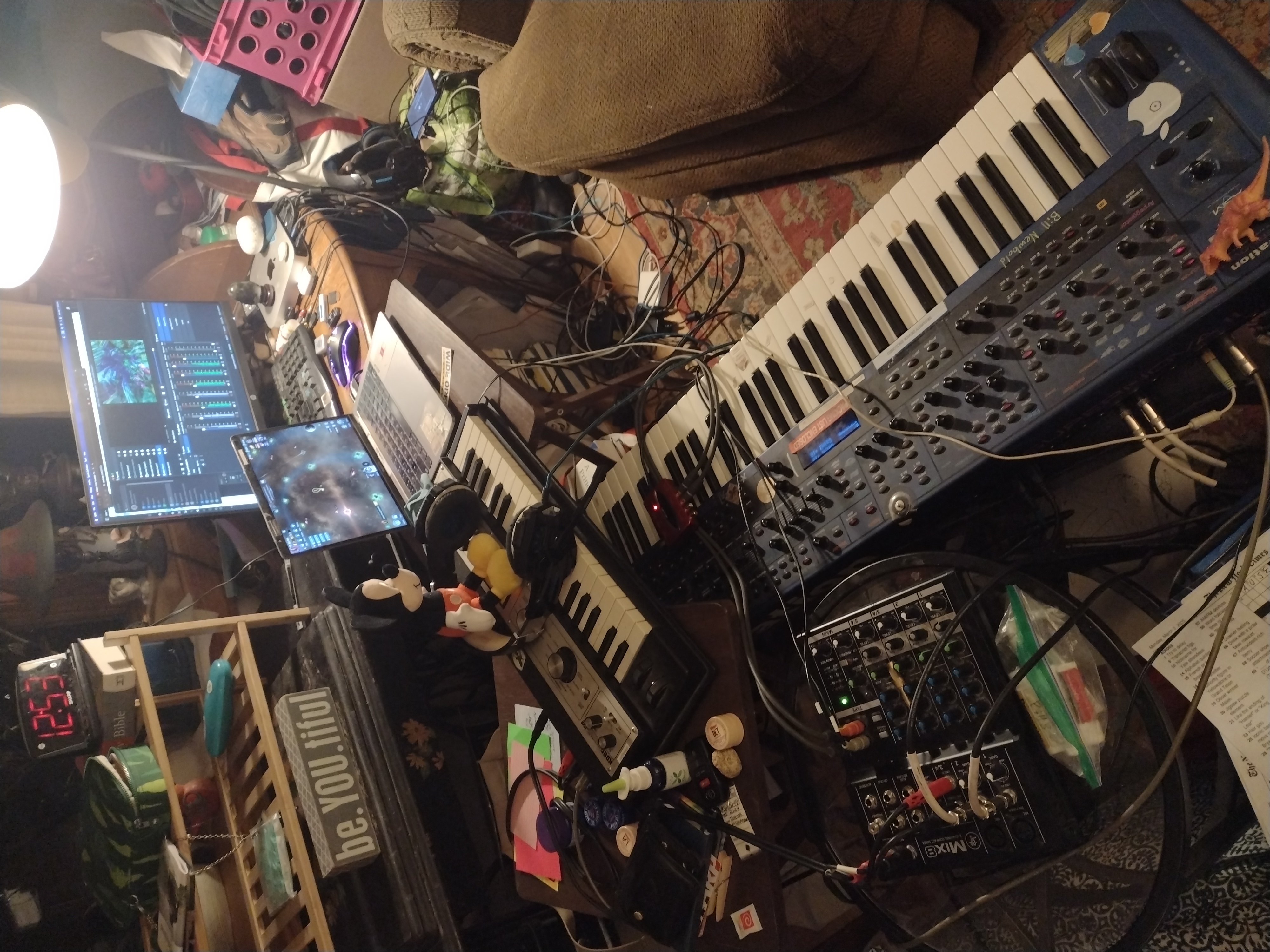
I make solo albums and videos without anyone's help here.(total creative freedom) I have been playing the supernova II by novation since 2000 mostly as often as I can. recording everything, I have worked with the presets repro-gramming over 1/2 of the over 500 presets
YouTube
twitch.tv
patreon.com
existentialisticextremistexperiments.wordpress.com
Facebook