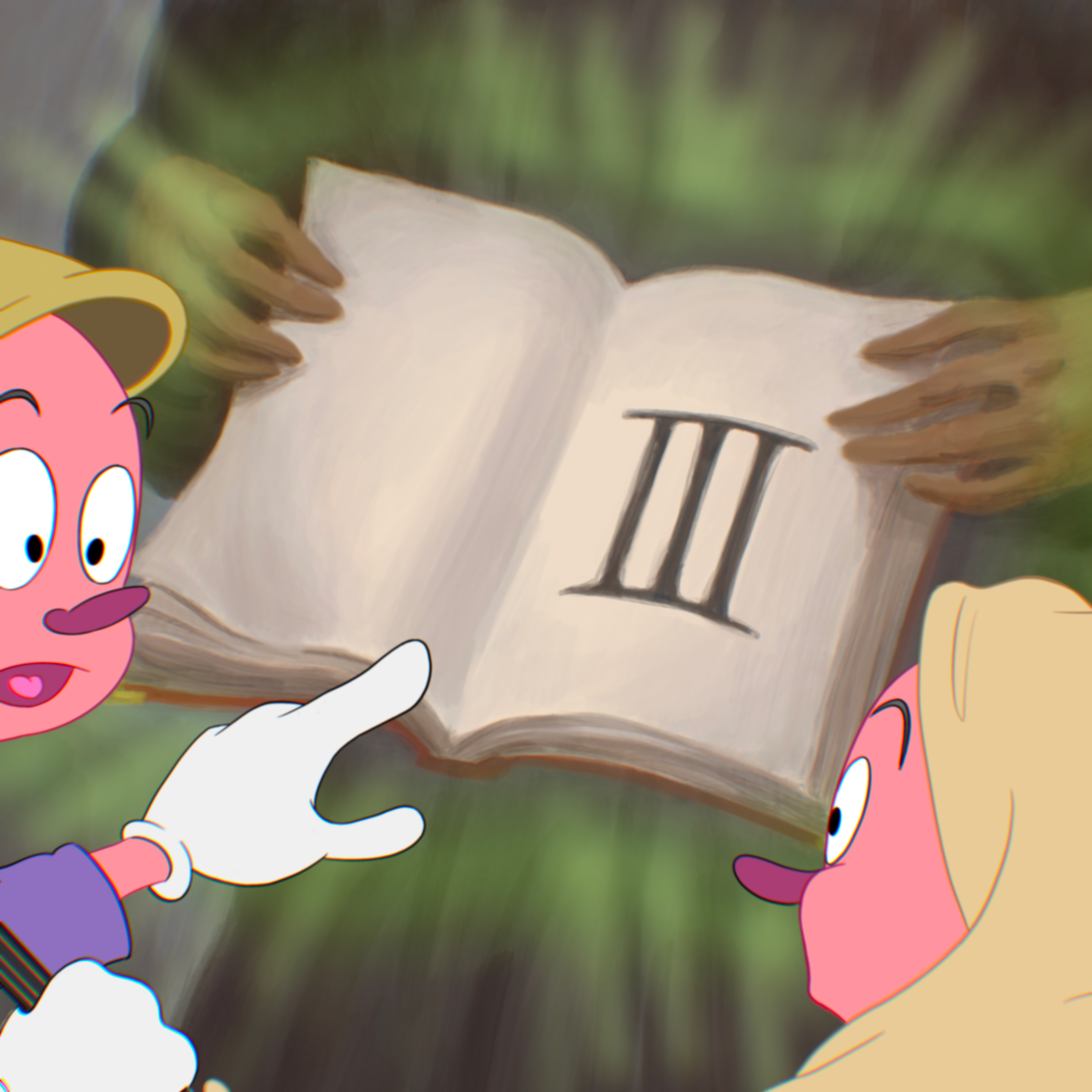
III by Spitzer Space Telescope
As with MacDonald’s live shows, everything he sings across both EPs – and the wealth of unreleased songs still sitting in the chamber – is completely original. “From day one I’ve always aspired be a songwriter. All I care about is great songs and who wrote them, and how the hell they came up with an idea out of thin air,” he says. “If anybody asks me, where'd you get that song that you played at the show? I can I have one answer. It's all mine.”
That fact is more impressive still for the fact that Spitzer Space Telescope III contains such an array of different styles, and that it shifts so elegantly between autobiography and fiction. MacDonald is as comfortable delivering rousing shape note singing as he is a sprawling ballad, a hypnotic sea shanty, or a moment of cracked and tender sorrow. He’s unafraid of such dramatic shifts in style; in fact, they’re intentional. “I got introduced to this genre through compilation albums, so I have a lot of affection for a listening experience that jumps around different colours,” he says.
Opener ‘The Great Ascender’ opens the EP with a rush of stark, bold beauty. A self-set challenge to “write a secular hymn, and to celebrate shape note and vocal harmony singing,” it evokes a power to counter the divine, but “without having to endorse religious institution.” In MacDonald’s hands, the song’s central power is drawn not from religion but from the heroism of ordinary humans, “and the kinds of heroes we need right now. Even if you don’t get famous, if your deeds are forgotten or overlooked or uncelebrated – in a way that’s even more heroic.”
The next track, ‘All You Girls Ashore’, even by Spitzer Space Telescope’s eclectic standards, is an anomaly, “the only example of a melody I didn’t write,” the tune taken from a French whaling song called ‘Pique La Baleine’. “I liked the melody, and I wrote English lyrics to it.” His words, towing a curious and transfixing line between surrealism and straightforwardness, are not a direct translation. “I don’t even know what the French is talking about. That track is just a blatant love letter to sea shanties, one of my home base music traditions.”
‘Veritas’, meanwhile, toys with the temporal. Ostensibly, it is the story of Galileo set to a spry banjo tune, telling of his condemnation and imprisonment for refusing to renounce the truth of a heliocentric universe. Beneath the surface, however, “it comes from all the anti-medical, truly medieval stuff that we were seeing during Covid,” MacDonald says. Then, MacDonald boundaries – it’s shrouded in a hiss and crackle that’s uncannily close to that you might hear on a compilation of Alan Lomax recordings from the 1930s.
Then, with ‘Kayne In The Orchard’, comes the kind of wild, yet deftly executed, stylistic pivot that is typical of a Spitzer Space Telescope record, as the opener’s grand proclamations gives way to a long and sprawling tale of a real-life visit to Cornwall. The transcendence of shape note singing dissolves, as MacDonald shifts into a slow and sprawling ballad form typical of English and Irish traditions. As with so many such songs, not all that much happens beyond drinking and merriment, “but that’s what’s so amazing about those kinds of ballads,” MacDonald argues. “They’re snapshots of everyday life, and placing them in a musical form gives extra emotion to them, and attitude. It’s a homage to all those songs that I love about nothing really happening.” Its languid, beautiful ordinariness is irresistible.
‘Oh Misfortune I Know’, meanwhile, is an exercise in zipper songs – a gospel format where one line changes with each verse while the rest stays the same – set here to delicate finger-picked acoustic guitar and a cracked vocal lament for unrelenting hardship. As with everything MacDonald does, his ability to craft work indistinguishable from actual traditional music is uncanny, although there’s a nod to the present in the song’s direct mention of depression. “‘Depression’ isn’t a common word in traditional music, but it is very current,” he says. “I thought it would be cool to have a song where this topic of mental health was embraced.”
This modern twist is a subtle one – a little nod to the listener, indicating that although this record might feel like a compilation of material from a host of different traditions, it is – and could only ever be – the work of one man alone. Whether secular shape note hymns, enticing ballads, ethereal shanties, sorrowful zipper songs or searing cross-temporal banjo songs, EP III reaffirms Spitzer Space Telescope’s status as one of the new folk scene’s most towering creative forces.
Tracklist
| 1. | Great Ascender | 3:01 |
| 2. | All You Girls Ashore | 2:25 |
| 3. | Veritas | 3:06 |
| 4. | Kayne In The Orchard | 5:38 |
| 5. | Oh Misfortune I Know | 4:03 |
Credits
All songs written by Dan MacDonald (AKA Spitzer Space Telescope)
License
All rights reserved.
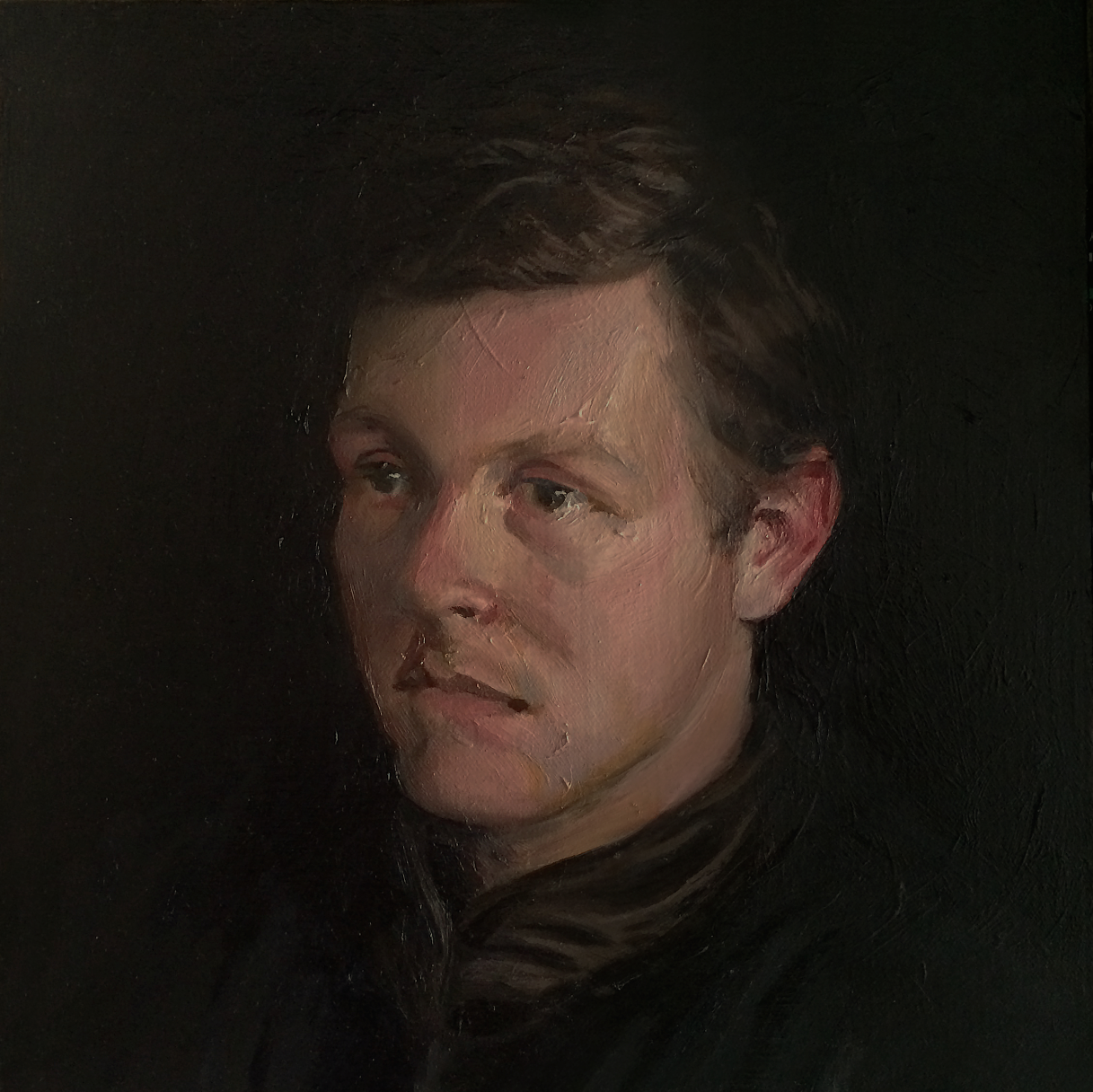
Born and raised in St John’s, Michigan, but now based in London Spitzer Space Telescope (SST) is the musical moniker of professional oil painter Dan MacDonald.