akashic fields by Paul Beaudoin
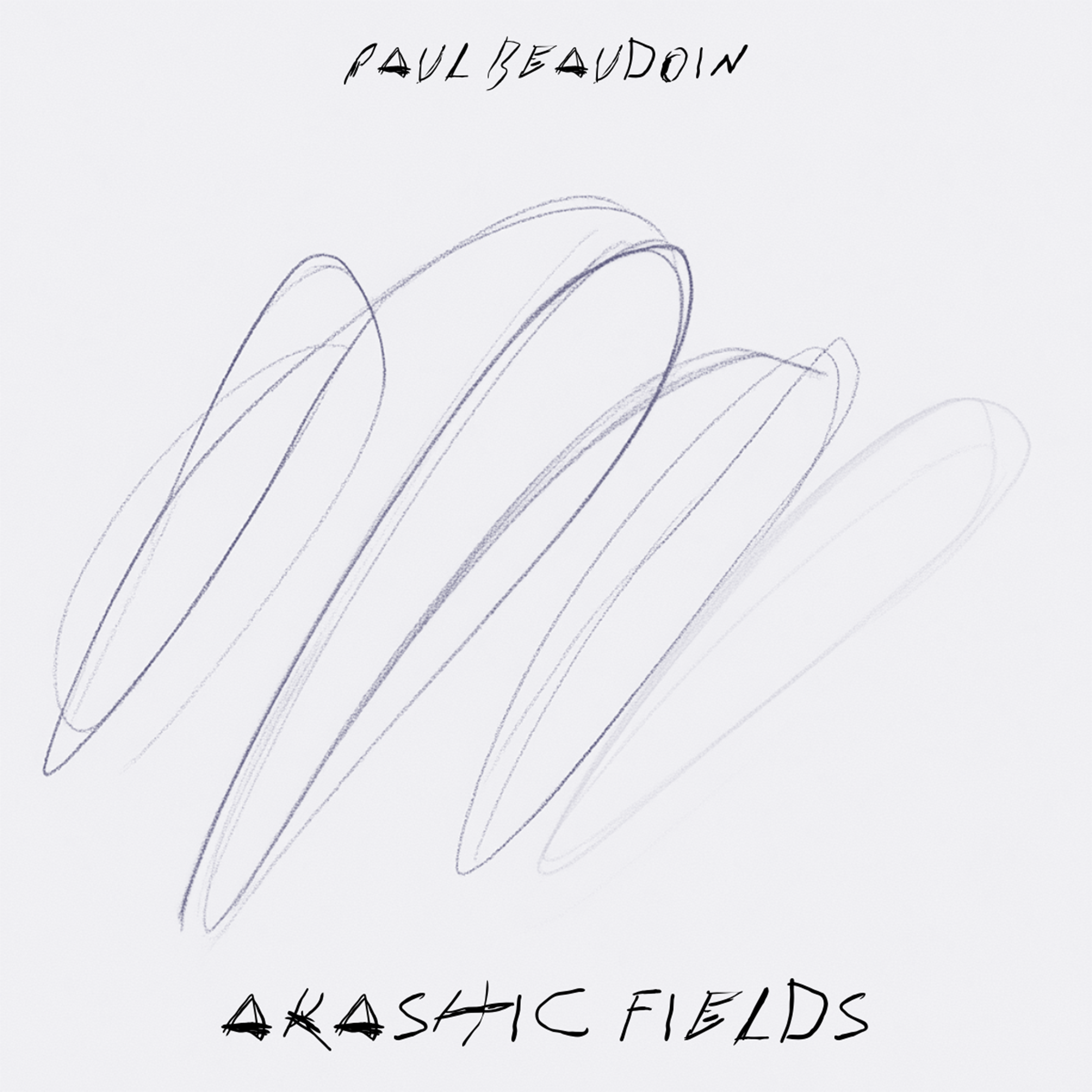
Akashic comes from the Sanskrit ākāśa, meaning ether, sky, or space — a fifth element beyond earth, water, fire, and air. In later traditions, it refers to the Akashic Records — an invisible field that contains the memory of everything that has happened or will happen.
In akashic fields, Paul Beaudoin explores this idea through sound. The piece isn’t a story with a beginning or end, but a space — a sonic field that invites listeners to drift, reflect, or remain still.
Fragments of melody and harmony slowly loop, overlap, and recombine, creating a gentle but persistent sense of motion. Influenced by the ambient music of Brian Eno, especially Music for Airports, akashic fields offers a structure where repetition becomes transformation, where time feels open and unhurried.
This work is flexible in how it can be experienced. It rewards deep, focused listening but also supports more casual engagement. Like the akashic realm it draws from, it holds memory and presence at once, inviting us to hear what is now and what lingers.
akashic fields is quiet, but not passive. It doesn’t demand attention, but it rewards it. There is no climax, no final resolution — only a spacious unfolding, a place to enter and return to, shaped by listening itself.
Tracklist
| 1. | akashic fields | 60:27 |
Credits
Dedicated to Jeff Düngfelder
License
All rights reserved.Tags






Paul Beaudoin creates sound as material.
His works trace duration, perception, and silence—each a study in time dissolving through listening.
This page is a digital archive of limited sound editions.
Each recording stands as an individual work: numbered, complete, self-contained.
Listeners are invited to engage as collectors, not consumers—to inhabit the sound rather than stream it.