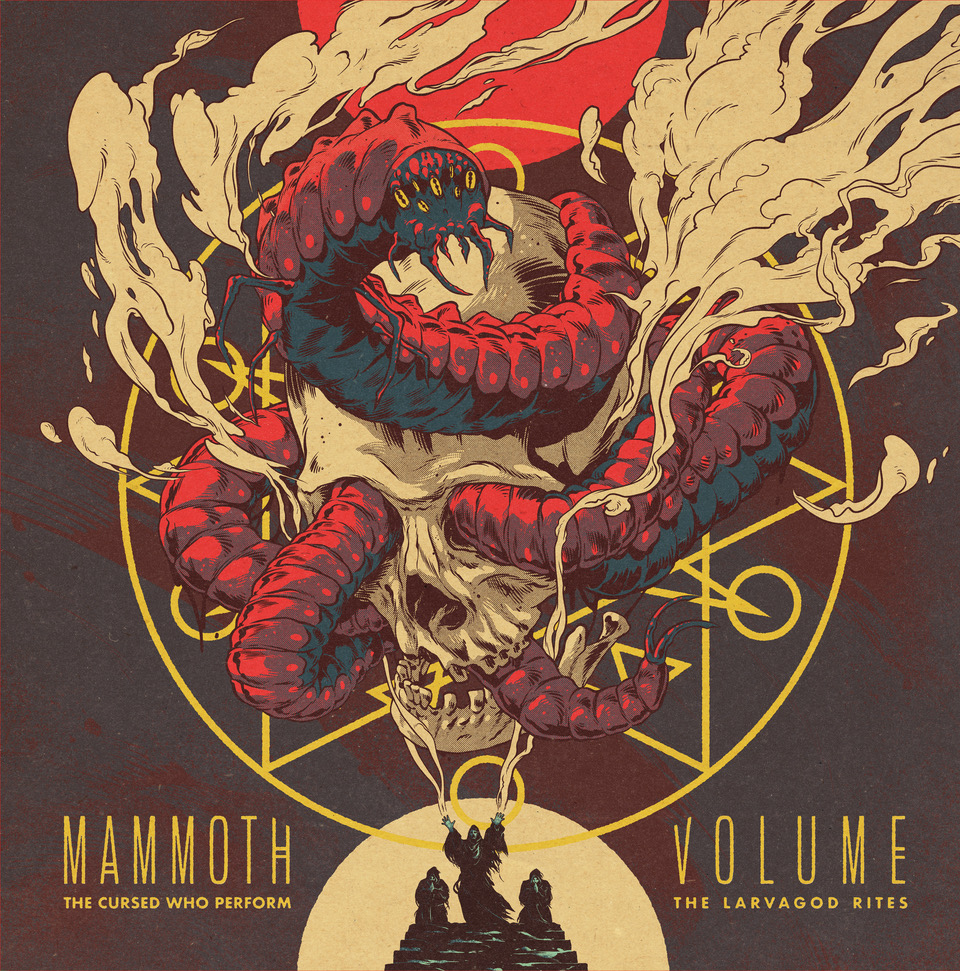
Mammoth Volume by mammoth volume
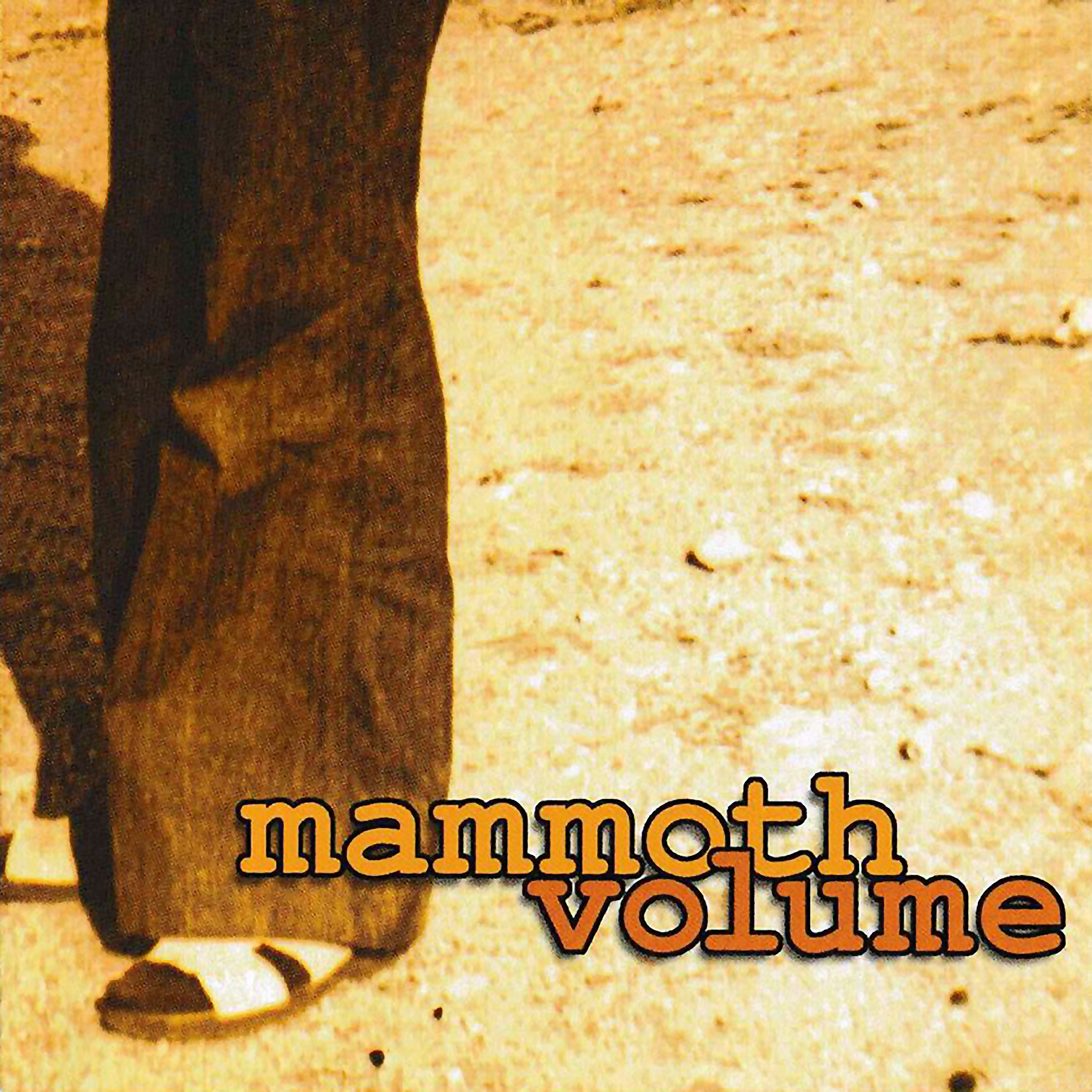
Orginally released 1999 by The Music Cartel
Someday, some brave soul is going to reissue all the records like Mammoth Volume‘s 1999 self-titled debut and notch an asterisk in the history of Swedish heavy rock. Like the first Sgt. Sunshine offering (which actually has been reissued), the 2000 debut from Blind Dog — the still-going Sparzanza and Mustasch would soon hit the scene — and a mountainous slew of others, not to mention then-contemporary works by Dutch acts like 35007 (also reissued), 7Zuma7 and Astrosoniq or any of the countless bands Germany produced at the time, it’s a collection that remains distinctly undervalued in the context of when it arrived and what it brought with it. Consider as you listen to “Dervishsong” that the self-titled Queens of the Stone Age had arrived only one year earlier in 1998. By then, Europe’s heavy underground was already flourishing, acts like Dozer and Demon Cleaner releasing early, desert-style singles (also ripe for reissue, as I’ve said many times) to put Sweden at the forefront, and by 1999, the prefacing of the vintage-heavy movement Norrsken would do — members going on to form Witchcraft, Graveyard, and Dead Man — was nearly at its end. It was a time of transition, in other words, and bands like Mammoth Volume, with their easy, open grooves on songs like “Closer to the Sun” on this self-titled, and the continuing progression of their second and third albums, Noara Dance (2000) and A Single Book of Songs (2001), helped establish stylistic parameters that groups continue to follow nearly two decades later.
One can hear classic psychedelia alongside post-Fu Manchu roll in Mammoth Volume‘s “Shindig” and a direct conversation with Californian desert rock happening in the later “The Pinball Referee” that’s true to Kyuss-style tonality than most at that point could come. Comprised of vocalist Jorgen Andersson, guitarist/producer Daniel Gustafsson, bassist Kalle Berlin and drummer/producer Nicklas Andersson would explore jazzy fluidity on “Matthew 6:21” as naturally as chugging heavy swing on opener “Seagull” and the subsequent “Morningsong,” which made the leap from one of the self-titled’s most satisfying rolls into open acoustic strum and subtle post-grunge harmonies with all the care of a shoulder shrug — and only then got into the stoner-jangle-shuffle en route back to the chorus and into an organ-topped bridge in the second half. It’s a familiar story, or at least it should be, of a release that seems ready to get a due that, at the time, just wasn’t there for the getting. Indeed, with the growth and seemingly endless appetite that’s developed for heavy rock and roll on the part of its audience’s next generation over the last five or so years, it’s no stretch to imagine Mammoth Volume‘s Mammoth Volume working next to an entire catalog of repress-worthy outings from its era. If one is given to such daydreaming, anyhow.
If you’d like to do some more digging — “visit your local library!” — in the US, their records were released on a label called The Music Cartel, which also partnered with Rise Above at the time on outings by Cathedral, Orange Goblin, Electric Wizard, Sheavy, Lid, Firebird and Hangnail while also releasing records by Sally, Leadfoot, The Bronx Casket Company and righteous compilations like In the Groove and Rise 13 – Magick Rock Vol. 1. Ufomammut‘s Snailking was another pivotal The Music Cartel release, proving they were willing to take a chance on these relatively unknown acts when just about no one else would. Sure, Monster Magnet had a label deal, and Fu Manchu, and Queens of the Stone Age would soon enough, but fewer and farther between were people ready to step up and put out Sleep‘s Jerusalem, and like a less aesthetically inclined East Coast answer to Man’s Ruin Records (Frank Kozik‘s cover art was sometimes as much of an event as the music itself), The Music Cartel did that — as well as Mammoth Volume‘s first three full-lengths and the 2002 The Early Years comp that would end up as the band’s last physical release.
A few digital offerings followed, the most recent of them titled quizzically titled Loved by Few, Hated by Dolphins and put out as a free download from the band’s now-defunct website on the occasion of their official breakup in 2008 (not true, reunited again 2020). I’m not sure if members have gone on to other outfits or what, but if you have any info, I’d love to know in the comments.
Also included: Part 6 of 'A single bunch of gigs' tour diary.
-Jörgen Andersson - Vocals
-Daniel Gustafsson - Guitars, keyboard, percussions, flute, bass
-Nicklas Andersson - Vocals, drums, percussions, guitars, bass
-Kalle Berlin - Bass
-Emir Horozic - Drums
Tracklist
| 1. | Seagull | 4:11 |
| 2. | Morning Song | 4:37 |
| 3. | Her Hair | 3:53 |
| 4. | Dervish Song | 3:25 |
| 5. | Horizon | 4:08 |
| 6. | Closer To The Sun | 4:27 |
| 7. | Shindig | 4:26 |
| 8. | Family Tree | 5:06 |
| 9. | The Pinball Referee | 4:27 |
| 10. | Matthew 6:21 | 3:03 |
| 11. | Super Runner | 5:44 |
Credits
License
All rights reserved.

See also: https://danielgustafsson.bandcamp.com/music
https://cavem3n.bandcamp.com/
Mammoth Volume was born in the winter of 1996, called into life by the main song writing team of Nicklas and Daniel. Nicklas engaged his older brother Jorgen to take over vocal duties and with the final addition of bass player Kalle, the band was born. The band is from the town of Lysekil, Sweden.