Signal Extraction by Jason Kolàr ≠ Cristian Subirà

Project funded by Kone Foundation.
Signal Extraction is a 20-minute audio piece composed from recordings made in Sipoonkorpi National Park and along its edges. Using a custom-built device that converts electromagnetic interference into sound, trees functioned as natural antennas, capturing “invisible” frequencies that were later manipulated and arranged.
The fieldwork extended beyond the park’s interior into surrounding areas—residential zones, highways, and industrial corridors—tracing the entangled flows of energy, sound, and information that disregard socially constructed boundaries. Walking over 200 kilometers and crossing these lines became a method of interrogating the idea of margins: what lies inside or outside a “protected” space, and how human infrastructures both define and confine. This approach also engaged with Finland’s jokamiehenoikeus (everyone’s right to access nature), exploring how this principle persists—or is challenged—within landscapes shaped by global extractivism and hyper-industrialization.
In an era where technology governs territory often without direct human presence, the project turns to the biological ambiguity of trees—organisms that, while lacking ears or nervous systems like animals, exhibit environmental sensitivity through structures such as plasmodesmata, allowing them to respond to stimuli, including sound vibrations.
This is not a scientific inquiry. Rather, it embraces subjectivity, embodied experience, and listening as a relational act, proposing alternative modes of perception. It confronts the acoustic consequences of modern life, where noise pollution becomes a subtle yet pervasive form of control and colonization. Even the most remote forests are saturated with anthropogenic pressures, shifting the world from an extensive to an intensive condition—no longer defined by distance, but by density.
Tracklist
| 1. | Signal Extraction | 19:35 |
Credits
License
CC BY-NC-SA 3.0. See the Creative Commons website for details.

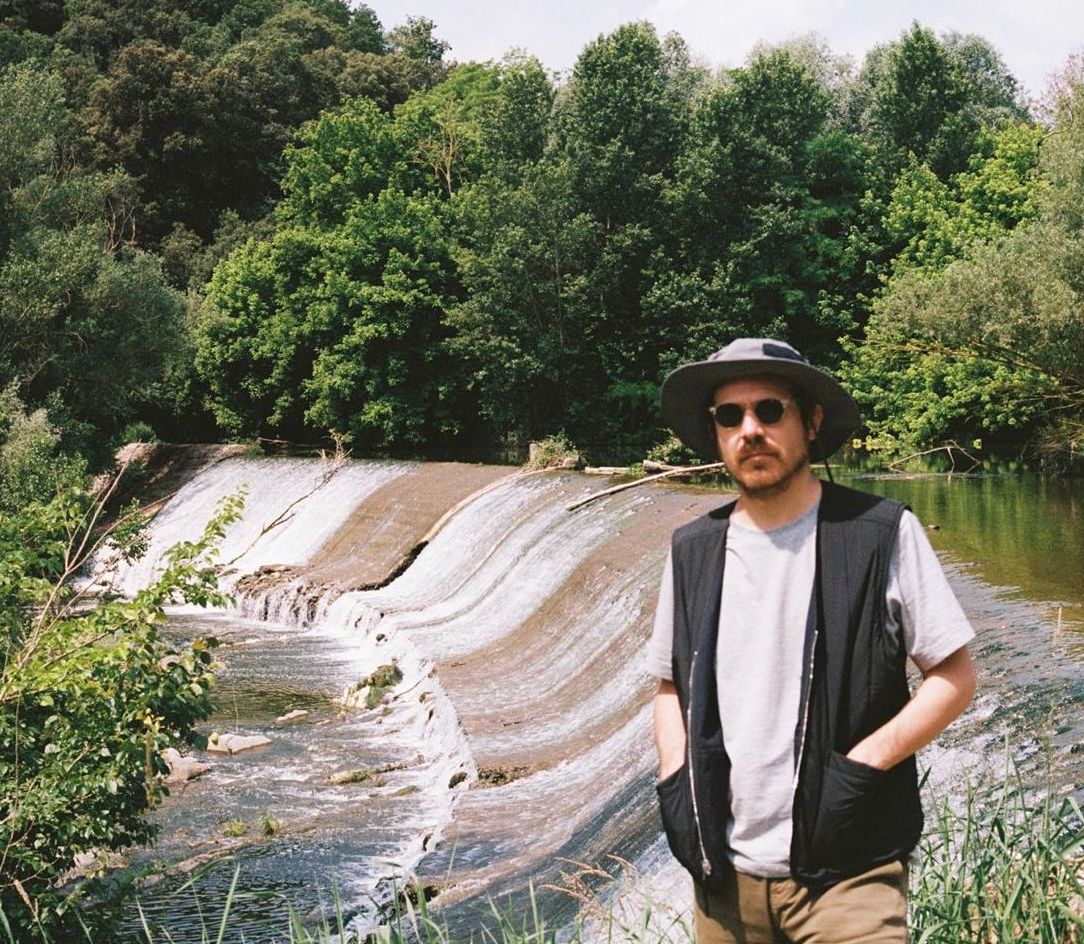
Trying to find the soundtrack of my very often forgotten dreams.
bookings:
hola@foggyhexbcn.com