Unusual Movements by Inner Prospekt
Inner Prospekt is a musical project by
Alessandro Di Benedetti
(keyboards and samplers, vocals, drums)
This time with:
Rafael Pacha, Federico Tetti and Carmine Capasso: Electric Guitars
Marco Bernard: Shuker Bass
Daniele Vitalone: Bass
Giuseppe Militello: Saxophone
All Music and Lyrics: Alessandro Di Benedetti
Cover and Booklet design: Alessandro Di Benedetti
The Bridge (03:17)
Alessandro Di Benedetti Keyboards, Drums
Federico Tetti Guitars
Daniele Vitalone Bass
Mantra (15:05)
Alessandro Di Benedetti Keyboards, Drums, Vocals
Federico Tetti Guitars
Giuseppe Militello Sax
Winter Day (04:53)
Alessandro Di Benedetti Keyboards, Drum, Vocals
Marco Bernard Bass
Neverland (11:52)
Alessandro Di Benedetti Keyboards, Drums, Vocals
Rafael Pacha Guitars
Just Five Minutes (07:22)
Alessandro Di Benedetti Keyboards, Drums
Rafael Pacha Guitars
Giuseppe Militello Sax
Around The Corner (11:19)
Alessandro Di Benedetti Keyboards, Drums, Vocals
Federico Tetti Guitars
The Question (06:17)
Alessandro Di Benedetti Keyboards, Drums, Vocals
Carmine Capasso Guitars
Tracklist
| 1. | The Bridge | 3:18 |
| 2. | Mantra | 15:06 |
| 3. | Winter Day | 4:53 |
| 4. | Neverland | 11:52 |
| 5. | Just Five Minutes | 7:23 |
| 6. | Around the Corner | 11:19 |
| 7. | The Question | 6:18 |
Credits
A very special thanks to my friend and producer Jose Manuel Medina of Somnus Media and the straordinary musicians Rafael Pacha (The Guildmaster, The Samurai of Prog), Federico Tetti (Mad Crayon), Marco Bernard (Samurai of Prog), Daniele Vitalone (Mad Crayon) and Carmine Capasso (The Trip, The Samurai of Prog) for their precious contribution.
Carmine Capasso uses Liuteria Capasso Guitars and Alan Entwistle Pickups
Recorded, mixed and mastered at the Inner House, Rome 2022-2023
INNER PROSPEKT DISCOGRAPHY
THE MUSING (2014)
DREAMING TONY BANKS (2014)
BLUE DAYS (2014)
THE GENE MACHINE (2015)
DEEP GHOSTS (2016)
OCEAN SUITE (2016)
MAN IN BLAKE (2016)
SEVEN WAYS TO LOSE YOURSELF (2018)
CANVAS ONE (2020)
CANVAS TWO (2021)
GREY ORIGIN (2022)
CANVAS THREE (2023)
UNUSUAL MOVEMENTS (2024)
A GLIMPSE OF A BIGGER STORY (2024)
******************************************************************
PROG ROGUE 5/5
By Thomas Szirmay
INNER PROSPEKT (ITALY) Unusual Movements
As I was imputing this latest offering from Inner Prospekt into my database (I have so many albums I need to keep track of them all), I was stunned to visualize that I have all 14 studio albums from this amazing musician I first discovered when he was /is still a member of Mad Crayon (having all their 4 releases as well). Suffice it to say, Alessandro di Benedetti has certainly grabbed my attention as well as pulled on my loyalty heartstrings, the sheer quantity easily matched by the consistent quality over the years. He has also been a much in demand session guest on a multitude of releases from the medieval-folk project The Guildmaster, the hyper-prolific The Samurai of Prog, as well as albums by Kimmo Porsti and Rafal Pacha. One needs only to observe all the high ratings on numerous prog sites to realize I am not the only fan (though I am a superfan, just missing a chance meeting in Rome last November but sadly postponed due to conflicting schedules). Many of the afore-mentioned artists have been loyal to him as well, eagerly participating in the numerous projects Alessandro has produced, at a rather astounding pace, may I add.
“The Bridge” is the opening salvo, a lovely duet featuring bassist Daniele Vitalone and Alessandro on keyboards and drums, the spotlight clearly on some spectacularly fluid piano motifs that both display elegance and virtuosity.
From short intro to a massive epic, we move to the 15 minutes+ “Mantra”, a perfectly restrained electronic piece that sets a hypnotic soundscape, with echoing e-piano, pinging synths and ponging bass, mechanical percussion and solid drum groove, cleverly decorated with the urban Giuseppe Militello saxophone, perfectly capturing those somber ‘isolation for the nation’ Covid years, Alessandro's hushed vocals as if still wearing those darn masks, and stating repeatedly “Everything Will be Fine”, the eternal mantra for those odd times we collectively had to endure. Forget vaccines for a second, this is panacea. The excruciatingly solemn piano spot is truly magnificent, leading into Federico Tetti’s absurdly strident electric guitar solo, within the nevertheless moody foundation that does provide a sense of future salvation. The ticking clocks avoid the piano drops of patient resolve that was needed to survive the ordeal.
The inherent sadness of “Winter Day” evokes intense appeals for forgiveness, a simple song with delicate piano, fragile synthesizer, a steady beat and a melancholic vocal, a gently child-like expression that attempts to heal the heart. Marco keeps things melodic in the background. A father's plea for understanding to a son, who perhaps was not given enough tutelage and left to his own devices, a roll of the dice that can lead to a lot of grief.
Time for another mega piece, a near dozen minutes of appropriately delivered progressive rock bombast, initially composed for Marco Bernard’s debut solo album (I have that one too!), a childlike adaptation of the Peter pan tale.
“Neverland” portrays the adventure as a symphonic soundtrack to the narrative, with Rafal Pacha providing the effusive guitar parts and Alessandro the rest, pushing forth a busy rhythm section including a whipped-up organ flurry that is just plain terrific. The classic Genesis influence is unashamedly overt and completely delightful.
“Just Five Minutes” lasts 7 minutes and 23 seconds but Italians (and Romans in particular) must be given some latitude because their innocent exaggerations are always charmingly rendered. The piece remains a jazzy counterweight to all the progginess, a reflective introspection as a respite, utterly classy and cool and thoroughly welcome. The e-piano is smoky sensual, the slick drum fills the air with pleasurable thumps, as Rafal unleashes a sterling guitar solo, taken over by Militello’s dense flirtation with emotion, as the orchestrations add all the glory one can hope for. I always said there was not enough Sax and Violins in prog (thank you Mael Brothers!).
The intensely personal “Around the Corner” is another elongated arrangement that segues nicely from the previous splendor, a musical introspection that covers all the founding blocks that makes one into an individual, for humans are inherently fragile physically as well as frail mentally. Growing pains, fears, disillusionment, sadness, self-doubt, and disappointment collide with joy, pleasure, discovery, love, achievement and happiness. Hey, it's not easy. Music is a vessel for divulging all these conscious and subconscious feelings that make up art in general and music in particular. Federico’ s athletic guitar interventions, the pulsating percussive percolations as well as the various keyboards exhibit these emotions, imperfectly perhaps but it is a personal thing, revealing the angels and shooing away the demons.
I personally have always believed that humans are inherently capable of masochism as well as sadism, hopefully in occasional thoughts and even less in deeds but “The Question” is what amount of self-discipline and proper reflection is needed to live a life of goodness? Truth is, we do have the capacity to hurt others like a hyena and kill ourselves like the scorpion. Alessandro is joined here by the incredibly talented Carmine Capasso on lead guitar, a blistering and intense solo that expertly shines the light on these sad human weaknesses.
Bonus track “Living Like a Looner” is a continuation of “Neverland”, a final arriverdeci that has a bouncy mood, a swirling bass undertow that guides the ears, a certain vocal nonchalance in the air, some resonating e-piano shuffles paired with a whistling synthesizer solo and slashed by a terrific axe flight.
Another amazing stone placed in this imposing Roman structure, here is an artist that I can wholeheartedly recommend as a major player in Progland ...and beyond. Now, about that meeting at Danny’s Bar on Via Gallia on day? 🙂
5 odd waves
****************************************************************************
Lazland.org
I was thinking the other day that it might be an idea for this website to set up a “Hall of Fame” slot. Not the type of corporate “Rock ‘n Roll Hall of Fame”, or the Nashville thing, but a celebration of all music and artists which have profoundly moved me and influenced my writing over the years.
I have a deep love of the Italian people and their culture. I was, of course, familiar with classic artists such as PFM & Banco over the years, but appreciation of the wider scene took far longer. It took me a long time to write any serious Italian prog review, but looking at my collection tonight, Italian music is second only to English in a cast of thousands.
In any such Hall of Fame, Inner Prospekt, the artistic vehicle of Allesandro di Benedetti, would have to be included. His work is everything I love in my music. Intelligent, imaginative, telling stories, moving, and Unusual Movements, available on Bandcamp at innerprospekt.bandcamp.com/album/unusual-movements is the thirteenth album in this series. It might just be his best.
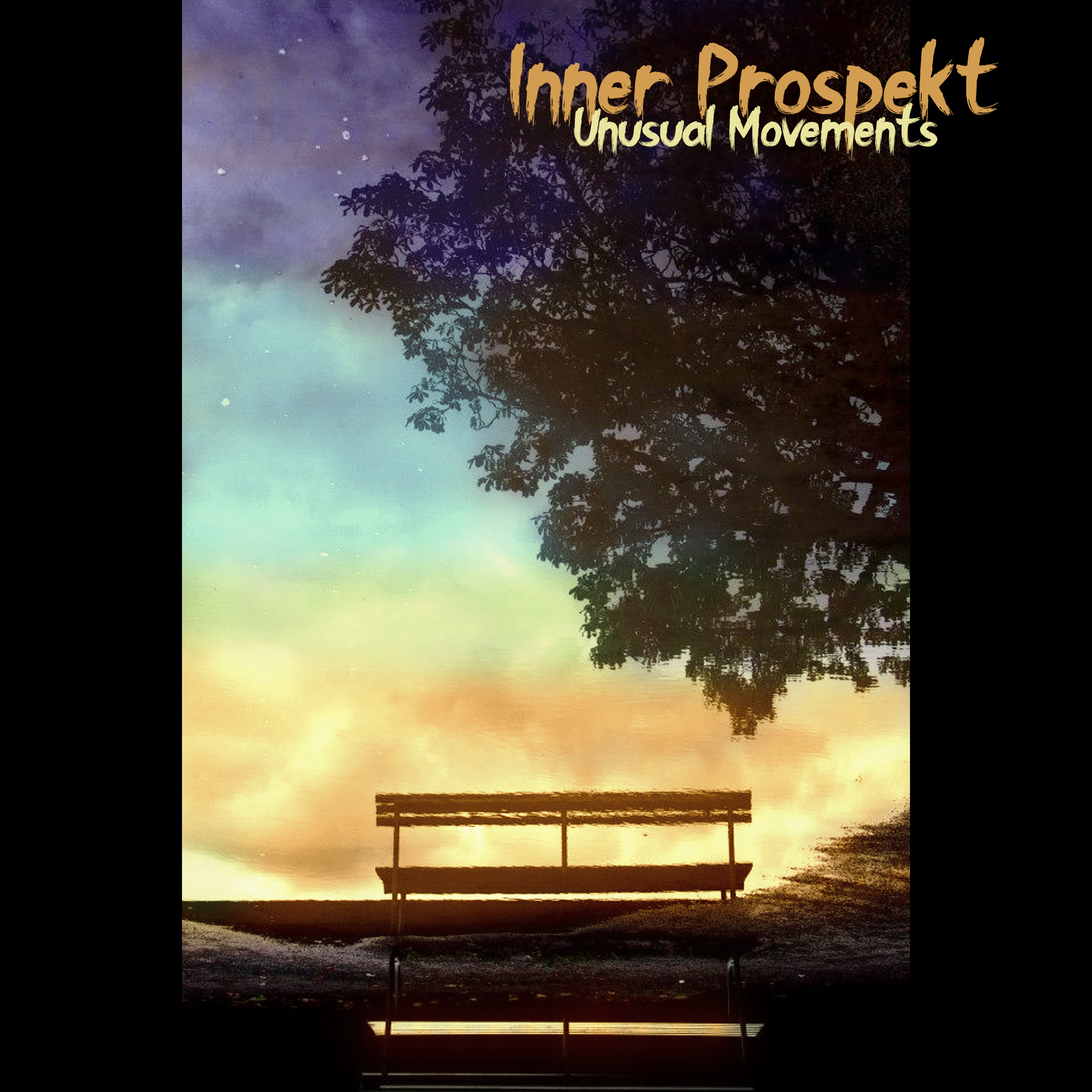
The album is over an hour long, with seven tracks, alongside a bonus on the digital version. A word first about the cover. Minimalist, a bench set against the infinity of the universe and the backdrop of our beautiful planet (despite our worst efforts), a scape which has you thinking before you even hear a note.
There are guests who have helped Allesandro to create this work, and they are discussed in each individual track below.
So, to what we get on an essential musical journey.
The Bridge is our introduction, composed for The Samurai of Prog, featuring Federico Tetti on guitars and Daniele Vitalone on bass, who produces an instantly groovy melody set against Di Benedetti’s keyboards before Tetti produces a memorable guitar solo leading into a playful piano and keys. As an introduction, this is hard to beat, and it is embedded below.
This is followed by Mantra, a repetition of a statement, in this case “everything will be fine” commenting on those days of the pandemic amidst so much uncertainty. It is the first of three epic tracks here (and the longest at just over fifteen minutes), and again has Tetti on guitars alongside Giuseppe Militello on sax. I love the effects that illustrate indoor pursuits to begin and the mournful notes accompanying before a jazz-infused improv takes precedence, at once pretty and questing. The vocals when they arrive encapsulate the mood of the time perfectly, and the sax complements it with a deeply reflective segment of music. We spent a lot of time looking deeply into ourselves, with collective fear abounding. Even in the deepest depression, I/You say all is going to be fine. What a time to experience, and I will add here that the mantra itself is perfectly put across musically by a deep mellotron and distorted notes at the ten-minute mark, Tetti shows his class with an angry riff, the emotions here swinging as wildly as they did for us before the track segues into its fundamentally mournful reflection.
Winter Day is brilliant, a theme which resonates with me ever so strongly, that of a father writing to his son to apologise for the legacy our generation has left them, but also how he had failed to reveal the evils of man by being overprotective, and he seeks forgiveness, perhaps as a final act. Musically delicate, Marco Bernard provides a beautiful bassline, the vocals are achingly lovely, the orchestration searching. It is embedded below. I would quite happily have had another twenty minutes of this, and if I hear anything more beautiful in 2024, I will be astounded. Is it too late for our and our parents’ generation to make things right? I hope not.
Neverland is the second epic track and was composed for Marco Bernard’s debut solo album referencing “the boy who never grew up”, but there is a fascinating dark twist on this reimagining the eponymous island as a kingdom of the dead. That is what I love about the music we listen to, this type of reinterpretation of classic tales which also parallel our darkest nightmares or thoughts. Instantly noticeable and appreciated are the acoustic guitars, and the initial playful nature of the island, but the clever invitation to “my friends” to leave their life and join the island of lonely souls brings on that darker hue, and the orchestration, especially the flute, brings that to the mind very well. The bass melody and the urgent keys and percussion take us away from a symphonic sound to a more jazz infused musical play, and the extended guitar solo by Rafael Pacha when it arrives takes us to another level, with the track expanding into a symphonic burst of noise before we are taken down into the quieter and darker afterlife so cleverly. This is just about the epitome of modern progressive rock, a whole piece of music telling its story crystal clear with depths revealing themselves each time it is put on.
Just Five Minutes is, in fact, over seven minutes long and Militello especially provides such a smoky sax to lead a gorgeous jazz number infused with the spirit of the finest metropolitan Italian live bars, Pacha lovingly teasing Allesandro’s brushes. A track to be played with the finest beer or wine, dreaming of a life which should never come to an end, and, God willing, never will. The final ninety seconds simply take you to a different existential plane.
Around the Corner references something I think about often (I hesitate to say great minds think alike, because I only write about a great mind’s creations), and that is an adult looking back at one’s childhood self, understanding what made the adult in the formative years, and I will make a bold statement that this is up there in these terms with one of my all-time favourite tracks dealing with the same theme, Gabriel’s classic Family Snapshot. It is the final epic length track we have, and the most noticeable thing that strikes you is the gorgeous pastoral orchestration, simply breathtaking in its execution in the opening passage, before after two minutes the jazz influence asserts itself and the vocals tell the story in which I picture myself looking at my vulnerable and often unhappy child self from the top of the room before we get such a lush passage dealing with the essence of childhood, a nigh on perfect mix of the folk, jazz, and symphonic (Tetti’s guitar solos would grace any classic progressive rock album, and Alessandro certainly takes his piano cue from Banks) as you are likely to hear. I have embedded this incredibly beautiful and moving track below. It is worth the album fee on its own.
The Question is another introspective track with the subject demanding to be left alone to confront his inner demons and wanting to find answers to the deepest questions of how to protect and love. Carmine Capasso provides some haunting guitars, but Di Benedetti highlights why he is such a talent. Understated and fragile voice, piano which searches the soul, and effects which both move and ask questions of the listener. A piece of music which is unparalleled in its ability to move you, right up to that tiny, but ever so evocative, tap on the side of the drum at the end.
The bonus track is Living Like A Looner, a revisitation of the themes of Neverland.
I read an interesting article today in The Spectator magazine I subscribe to which essentially said that no band or artist wishing to be successful describes themselves as “prog rock”. I might well quote it in my next vlog. Well, that was an interesting comment from a journalist working for a magazine which has for many years railed against the societal norms. For those of us who do not regard “prog” (whatever meaning one might place upon that) as a dirty word, we are constantly in awe at just how much our music simply continues not just to delight, but to push the boundaries forward.
Unusual Movements is an essential album, a certainty of quality and intelligent emotion in an era of uncertainty and corporately manufactured “feelings”. Imagine you are that adult looking down at your younger self, or that parent apologising for the wrongs inflicted upon the child(ren). I think we could do a lot worse than sharing this delightful album as far and as wide as we can.
A plea. Please support the artist and buy as opposed to simply streaming.
********************************************************************************************
Nonsoloprogspot
Alessandro Di Benedetti, tastierista dei romani Mad Crayon, è un fiume in piena.
Non si finisce di godere di un suo ultimo lavoro che ne ha pronto un altro, soprattutto con il progetto solista denominato Inner Prospekt. Infatti, Di Benedetti non soltanto ha una prolifica carriera solista, bensì pone la sua arte al servizio di molti, come nel caso dei The Samurai Of Prog, così come per Kimmo Porsti e Rafal Pacha.
Con “Unusual Movements”, Inner Prospekt giunge al quindicesimo album in dieci anni di esistenza, ma la cosa che più mi colpisce è che sono tutti dischi di medio alto livello, ben registrati, curati e ricchi di quel Prog Rock che s’inframezza fra il passato e il presente. Le tastiere in questo genere ricoprono un ruolo fondamentale, tanto quanto lo erano le chitarre elettriche per gli esordi del Rock, e Alessandro lo sa molto bene.
Come da cliché, i sette brani contenuti nel nuovo disco sono di media e lunga durata, sino giungere ai quindici minuti di “Mantra” e come negli altri album, Di Benedetti si avvale dell’ausilio di special guest che in questo caso rispondono ai nomi di Rafael Pacha (chitarra), Federico Tetti (chitarra), Carmine Capasso (chitarra), Marco Bernard (basso), Daniele Vitalone (basso), e Giuseppe Militello (sax).
Per addentrarsi nel nuovo cammino ci pensa la strumentale “The Bridge” comportandosi da intro, un dialogo fra basso, tastiere e batteria che alterna frangenti toccanti di piano ad altre parti vigorose. Certi passaggi potranno ricordare a molti di voi le intramontabili Orme. La tecnica di Alessandro è al servizio della melodia e non viceversa, un giusto dosaggio fra qualità tecniche e gusto per la composizione mai soffocata da inutili orpelli.
Ed è la mini suite “Mantra” a presentare lo stato di salute odierno di Inner Prospekt, tutto il DNA è visibile fra le note, soprattutto la scelta dell’elettronica porta freschezza all’ascolto. Il sax di Giuseppe Militello è un perfetto tassello del puzzle, mentre le parti vocali s’intramezzano gentilmente, sussurrate e pacate.
Più malinconica “Winter Day” dove il rapporto padre e figlio è esposto nella fragilità delle incomprensioni. Il pianoforte disegna le trame semplici ed efficaci.
Sono i Genesis a comparire più spesso nello stile proposto in “Neverland”, la storia di Peter Pan è narrata oltre che supportata da suoni magnifici che faranno scorrere più di un brivido sulla pelle degli amanti del sound vintage. Dodici minuti di elegante passato.
Un passaggio anche nel Jazz attraverso “Just Five Minutes”, un cambio di stile che dimostra a pieno la preparazione culturale di De Benedetti, un suntuoso e caldo giro di basso dialoga con la batteria spazzolata e un sax che a dir poco potrei definire sexy. La fragilità umana è narrata in “Around The Corner”, composizione introspettiva perfettamente legata allo stile pianistico dell’artista. Qui sono gli arrangiamenti a fare la differenza, fra fiati e suoni sinfonici. La chiusura è affidata alla bucolica “The Question”, piccola chicca sonora che sa coccolare lo spirito. C’è anche una sorpresa che lascio alla vostra curiosità scoprire.
Questi sono i classici dischi che possono avvicinare un neofito al mondo del Progressive Rock, termine che oggi è accostato più alla musica del passato (erroneamente) che a quella del presente. In fondo la bella musica non ha confini né tempo, è bella e basta. Inner Prospekt lo sa e lo dimostra.
Massimo Salari
********************************************************************
PROGCRITIQUE 5/5
Si nombre de compagnies aériennes américaines n’offrent pas de rangée 13 dans leurs avions, et vous ne trouverez pas non plus de 13ème étage dans les gratte-ciels américains, Alessandro Di Benedetti n’a pas cédé à cette triskaïdékaphobie puisqu’il nous sert ici l’opus 13 de son Inner Prospekt. Après le futuriste et étonnant Grey Origin, puis le symphonique et somptueux Canvas Three, le maestro nous propose selon une régularité métronomique un nouvel album. Pour cet Unusual Movements, vous ne serez pas surpris de la liste des usual suspects qui accompagnent le virtuose des claviers, à savoir Frederico Tetti, Rafael Pacha, Marco Bernard, Daniele Vitalone, Carmine Carpasso et Giuseppe Miletello. Tiens donc, avec ce dernier je note le retour du saxophone. Je note aussi que les morceaux avec chant sont majoritaires, et chantés par Alessandro lui-même.
En guise d’antipasti une courte intro en duo claviers / basse, plus la batterie jouée également par Alessandro permet de se régaler d’une belle ligne mélodique, lancée par la basse et poursuivie aux claviers, dont un joli mouvement central au piano rythmé en 7/8.
Premier plat de résistance, « Mantra », revient sur la sombre et étrange période du covid. La voix d’Alessandro sur un ton désabusé essaie tout au long du morceau de nous convaincre que Tout ira bien … Sons électroniques, motifs rapide au piano et sax lancinant donnent un côté hypnotique à cette musique très expressive qui va crescendo jusqu’au climax des 3’30. Reprise en douceur avec le chant, puis un magnifique duo sax et claviers, rythmé par le tic-tac de la batterie, apporte un mélange de mélancolie et d’un peu de lumière. Le passage au piano solo vers 9’30 dans un style jazz / romantique est une autre petite perle de lumière dans cette grande fresque. La voix tantôt grave tantôt aigüe de la guitare de Frederico Tetti qui lance le final où le chant d’Alessandro prend cette fois de la hauteur, avant de relance l’obsédant tic-tac du temps qui semble ne pas avancer …
Beaucoup d’émotion et de retenue dans « Winter Day », une ballade triste en forme de lettre d’un père à son fils, inquiet (le mot est faible) de l’héritage laissé à sa descendance doublée d’une demande de pardon. Une belle mélodie, parfaitement harmonisée comme toujours, et en arrière plan, Marco Bernard assure le continuo.
Deuxième morceau de bravoure de l’album, « Nerveland » reprend la composition effectuée pour l’album de Marco Bernard, The Boy Who Wouldn’t Grow Up, sous l’astucieux titre « Never Never Land ». Il s’agit d’une œuvre assez typique du style symphonique de l’italien : thèmes grandioses et lyriques, contrastes sonores allant du classicisme au jazz rock (cf. à partir de 5’), une écriture virtuose et dynamique, bref une vision qui rappelle celle de Tony Banks. Point de grand orchestre symphonique ici, mais seulement deux musiciens accomplis, Rafael Pacha et Alessandro di Benedetti, pour jouer cette intense partition!
« Just Five Minutes », dont le titre ment un peu quant à la durée du morceau, me ramène aux bons moments de guitare de Larry Carlton ou de Lee Ritenour, avec ce qu’il faut de piano électrique et de sax pour ce morceau jazzy aux sonorités intemporelles.
« Around The Corner » est une autre des ces grandes fresques chargées de grandeur et d’émotion dont Alessandro maîtrise totalement le développement. Le retour sur ses interrogations de jeunesse permet au musicien de développer au piano de magnifiques images sonores, que ce soit le thème de l’introduction, ou plus loin dans un passage alerte et aérien. Au centre du morceau, le retour à l’atmosphère très poétique du début permet une respiration avant de lancer un long final enjoué et proprement grandiose. Je ne peux m’empêcher de faire ici le parallèle avec « One For The Vine » de Tony Banks / Genesis. C’est dire tout le bien que je pense d’« Around The Corner ».
Très différent du précédent, « The Question » s’étire lentement sur l’obsédant motif de la guitare acoustique de Carmine Capasso. Mais cette ambiance floydienne est soudain rompue par un puissant solo de guitare électrique cette fois, très expressif et lyrique. Le morceau s’achève dans une brume musicale sereine et dépouillée.
En guise de bonus, « Living Like A Looner » revisite la musique de « Neverland » sur un rythme syncopé des plus plaisants. J’adore ce côté latin music nonchalant et enjoué, avec toute l’ambigüité que peut prendre ici cette terminologie !
Musicien dans les doigts (sans oublier la voix) et dans l’âme, Alessandro di Benedetti ajoute une pierre supplémentaire à son Inner Prospekt, et on le sait, en matière de construction les Romains savent y faire ! Unusual Movements (*) est un nouveau merveilleux recueil d’histoires en musique, savamment écrites et superbement réalisées.
*******************************************************************************
TEORIA CULTURAL (BRAZIL)
Inner Prospekt - Unusual Movements: melodias ricas em texturas, dinâmicas envolventes e harmonias cativantes
A habilidade de Alessandro em criar nuances tonais e dinâmicas contribui para a profundidade emocional de cada faixa, criando um ambiente que é ao mesmo tempo intrigante e emocionante
Inner Prospekt é o pseudônimo usado pelo multi-instrumentista italiano, Alessandro di Benedetti. Sua abordagem musical é um rock progressivo que incorpora uma grande variedade de influências e estilos em suas composições. Di Benedetti é um artista que possui profunda apreciação por complexidades musicais e experimentações sonoras. O músico também é conhecido por sua habilidade em mesclar elementos do rock clássico e progressivo com nuances contemporâneas, resultando em uma sonoridade que é ao mesmo tempo nostálgica e cheia de frescor.
Inner Prospekt possui uma música que é caracterizada por composições expansivas e que muitas vezes incorporam mudanças de tempo, harmonias complexas e arranjos elaborados. A instrumentação é diversificada, incluindo guitarras e violões, vários tipos de teclas, flautas, instrumentos de percussão e uma variedade de texturas sonoras que adicionam profundidade e dimensão, evocando uma paisagem musical rica e envolvente, repleta de nuances emocionais e atmosferas sonoras variadas.
Através de Unusual Movements, o projeto mais uma vez apresenta um trabalho de pura delicadeza, com uma forte influência em Genesis, especialmente destacada pelos teclados habilmente elaborados por Alessandro. Além disso, há uma clara influência do rock progressivo italiano, tanto clássico quanto contemporâneo, evidenciando o valor que Alessandro atribui ao gênero produzido em seu país. Sua abordagem nos teclados reflete não apenas a influência do Genesis, mas também uma habilidade técnica e uma sensibilidade musical que são distintamente suas.
Unusual Movements é verdadeiramente cativante, com suas melodias convidativas e complexas, onde os teclados de Alessandro desempenham um papel crucial na criação de atmosferas etéreas e emotivas. Ao longo do álbum, os arranjos habilmente executados nos teclados se elevam em cada faixa, adicionando camadas de profundidade e emoção à música. A habilidade de Alessandro em criar nuances tonais e dinâmicas contribui para a profundidade emocional de cada faixa, criando um ambiente que é ao mesmo tempo intrigante e emocionante.
The Bridge é a faixa de abertura do álbum. Uma peça instrumental de atmosfera bastante atrativa que se destaca pela elegância do piano e uma seção rítmica – principalmente o baixo – de precisão notável. Sua abordagem fluida e emotiva adiciona profundidade à composição, guiando os ouvintes por paisagens sonoras ricas e bem detalhadas enquanto o prepara para a faixa seguinte.
Mantra, com seus 15 minutos, entrega um resultado musical multifacetado e excitante, onde cada elemento instrumental se entrelaça de maneira habilidosa para criar um todo coeso. A combinação única de elementos eletrônicos, jazzísticos e rock progressivo nesta faixa revela a versatilidade e a originalidade de Alessandro. Enquanto isso, há em suas letras uma mensagem de esperança, amor e apoio durante tempos de sofrimento emocional – como os causados durante a pandemia.
Winter Day entrega uma linha afável de piano que estabelece uma atmosfera contemplativa à música do começo ao fim, sintetizadores etéreos, batida suave e cordas delicadas, tudo dentro de um foco lírico na necessidade de mudança, autenticidade e redenção pessoal diante das complexidades da vida e do mundo ao nosso redor. Neverland possui uma dinâmica instrumental emocionante, evocando uma sensação de jornada épica e fascinante. Além disso, a influência clássica de Genesis é evidente e encantadora, enquanto sua letra convida o ouvinte a abraçar as oportunidades que a vida oferece para transformação e crescimento.
Justi Five Minutes é uma peça instrumental que oferece toda a glória que se pode esperar de uma composição progressiva de alta qualidade. A peça encapsula o melhor do progressivo italiano, combinando elementos jazzísticos refinados com enorme sensibilidade. Around the Corner é uma música com muita energia e diversidade no ritmo e que oferece uma paleta sonora diversificada que complementa e enriquece a experiência auditiva do álbum. Sua letra explora o desenvolvimento pessoal, autodescoberta e a jornada desafiadora de lidar com emoções e as convivências ao longo da vida.
The Question é a faixa que encerra o álbum, apresentando vocais melancólicos que evocam uma profunda emoção. A melodia é guiada por linhas serenas de piano, criando uma atmosfera de contemplação e reflexão. Ao longo da música, os floreios de guitarra adicionam uma beleza pacífica à composição. Estes momentos delicados se transformam em um solo de guitarra belíssimo conforme a peça avança em direção à sua última parte. O álbum chega ao fim focando na ênfase da importância de lidar com as próprias emoções para promover relacionamentos saudáveis e proteger aqueles que são importantes.
Unusual Movements é mais uma prova do talento de Alessandro di Benedetti como músico e compositor. Ele continua a explorar novos territórios musicais, combinando influências clássicas do progressivo com uma abordagem moderna e criativa. Por meio de melodias ricas em texturas, dinâmicas envolventes e harmonias cativantes, há uma entrega de excelência musical que o torna um disco imperdível para qualquer amante da música progressiva contemporânea.
NOTA DO CRÍTICO: 9,0 - Tiago Meneses
*********************************************************************
Profil Prog Canada 9.0/10
INNER PROSPEKT is the group of the keyboardist of MAD CRAYON group RPI; this is already his 13th album. A sound that leans towards the keyboard bases of Tony BANKS, for GENESIS fans it causes; progressive atmospheres yes with a jazzy fusion too, that’s more unique; he is also the composer of SAMURAI OF PROG and THE GUILDMASTER; a sound apart, bluesy, intimate, jazzy, symphonic, introspective and enjoyable which gives into the avant-garde prog by making it evolve.
“The Bridge” soaring electro intro drifting on a crystalline and fluid piano melody with Alessandro’s keyboards; contemplative serenade leading to Federico's colorful solo; an interlude put into the mouth which sounds very pleasant modern. “Mantra” lugubrious clockwork, redundant GLASS-style piano, austere Giuseppe sax, the sound starts with a spatial electronic orchestral like ALAN PARSONS; hypnotic percussion groove before the vocal entry then the sax solo with a jazzy touch reminiscent of STRANGE POP's recent work on late-night urban legends; hushed vocals, phrasing, captivating, on the legendary Robert WYATT; everything will be fine if he tries to impress us; disillusioned, haunting air then the heavy guitar solo flight to try to chase away the viscous depth of Covid and its latent spiraling depression; romantic-dreamlike drift before the final cathartic symphonic crescendo, the return to this time which was numbered for us then. “Winter Day” takes up the tune from before, vocal and orchestration with a little more melancholy, ideal as a letter of apology for the future generation; the bass is powerful, setting a sad rhythm, a contemplative ballad from GENESIS where the synthesizer launches swirls of violins. Genesisian “Neverland”, yes THE SAMURAI PROG, GENESIS everything is linked in fact given the adoration of Alessandro; the tone is groovy rock with a jazzy touch, one that rocks you, tortures you and doesn't leave you alone; Rafael's fantastic solo alternates with the Gabrielesque flute, the bass break and electronic keyboard make the head nod; this keyboard resumes, rural, the instruments leave on a symphonic space mixing progressive rock of yesteryear and updated sounds; the guitar gives the typical energy avoiding falling asleep or the weariness of vintage rock; Peter Pan revisited in a grandiose symphonic style full of certain dynamism, proven lyricism and grandiloquent beauty, hats off.
“Just Five Minutes” intro to VANGELIS Memories; it vibrates your stirrups before the jazzy tune pins you to your seat; Giuseppe's sax takes you to a smoky 'Roger Rabbit' style bar; the drums hit the eardrum, the guitar, the keyboard, everything is there to make you regress without getting bored; I have fun playing piano and guitar notes, yes jazz can be fun, in short very well done; we would forget that this title is a little over 5 minutes long. “Around the Corner” archaic piano, a note from SUPERTRAMP, a touch of rural mist; hushed vocals again, Federico goes on a fruity prog solo; the keyboard still leers on the bucolic atmospheres of BANKS, a little flute, we regress to GABRIEL; the piano seeks itself, forcing introspection; the orchestration is varied to leave the rhythm playful and navigate the memories of yesteryear while modeling the modern sound, a musical paradigm; dealing with childhood, its doubts, its expectations in a folk-jazzy then symphonic tune is art; art-rock for this breathtaking guitar finale with choirs coming straight from Olympus, magnificent. “The Question” intro that ANATHEMA loved to play, between latency, ideal atmosphere for reflection, the intimate, metronomic Floydian arpeggio; Carmine distils acoustics like a remedy for the damaged world, the sounds seem to descend from a musical waterfall, the bass explodes, the choir wanders before hearing Carmine's breathtaking electrified solo, pushing out of the album any other desire only very beautiful music; between WYATT and hard, between creation and absolute beauty; one of the most beautiful pieces of this year 2024. The dark, robotic finale with the serene piano.
“Living Like a Looner” as a bonus on CD with COLLINS-style pad, an alternative other than 'Neverland' for an eclectic, bouncy, borderline funky, quite hilarious derivation; the bad side of vintage prog which recalls certain current groups reveling in an unrenewed style, bonus it works.
INNER PROSPEKT releases this stunning album of mastery disseminating well-calibrated jazz, not boring; intimate and other atmospheric ambiances; emotion, the spleen tone, bordering on contemplative, ambient post rock; a concept for this haunting framework tinged with art-rock, symphonic and unique progressive rock. Inimitable.
****************************************************************************
Nuevos movimientos en el mundo musical de INNER PROSPEKT
HOLA, AMIGOS DE AUTOPOIETICAN, LES SALUDA CÉSAR INCA.
Nuevos movimientos están acaeciendo en la actualidad del rock artístico italiano. Resulta que el pasado 4 de abril se publicó el nuevo disco de INNER PROSPEKT, el proyecto de música progresiva ecléctica del teclista italiano Alessandro Di Benedetti. “Unusual Movements” es el título de este nuevo álbum y, como es habitual, De Benedetti se encarga de crear todas las composiciones, además de tocar los teclados y la batería, cantar y realizar los samplers. Completan la escuadra instrumental los guitarristas Rafael Pacha, Federico Tetti y Carmine Capasso, el bajista Daniele Vitalone, el saxofonista Giuseppe Militello y Marco Bernard tocando el Shuker Bass. Somnus Media es el sello encargado de publicar este hermoso disco que refuerza la presencia del ideal progresivo en la escena europea del año 2024. El material contenidos en “Unusual Movements” fue grabado, mezclado y masterizado en varias sesiones a lo largo de los años 2022 y 2023; Di Benedetti realizó la producción, además de ser autor de la imagen de la portada y del diseño gráfico. Repasemos ahora el repertorio en sí mismo.
‘The Bridge’ abre el álbum con un despliegue de vitalidades sónicas donde se cruzan bases cibernéticas y lirismo prog-sinfónico de línea Cameliana, siendo así que cuando el piano se apodera del centro temático, se abre camino a una exhibición de cálida sofisticación melódica. Una mención especial debe ir para la compleja labor del bajo. Se dice mucho en poco más de estos 3 minutos ocupados por este tema de entrada. ‘Mantra’ sigue a continuación para explayarse por un espacio de poco más de 15 minutos; de hecho, se trata de la pieza más extensa del álbum; su letra está inspirada en las alteraciones emocionales e incertidumbres generadas por las medidas de distanciamiento social sistemático para defendernos de esa fatal peste de Covid. Efectos de activación de un mecanismo de relojería introducen la base de un groove inicial que se sitúa dentro de un grácil medio tiempo, el mismo que va llenándose de a pocos con instrumentos que se aúnan a una amalgama meticulosamente definida. La concreción decisiva de la ingeniería colectiva revela una estructura jazz-progresiva donde se conjugan sinfonismo y jazz-fusion con cierto talante ocasional de nu-jazz. Lo que suena aquí es como un híbrido de los GENESIS de 1978, el STEVEN WILSON de 2015, GAZPACHO y NOT A GOOD SIGN. En los diferentes momentos de protagonismo para el saxofón y la guitarra, el ambiente se torna particularmente dramático en medio de una composición que da prioridad a lo introspectivo. La secuencia rítmica de los últimos instantes tiene una elocuencia especial. ‘Winter Day’ es una balada a lo PETER GABRIEL que sigue de cerca la pauta estilística de la maratón precedente, siendo así que su principal misión es acrecentar las vibraciones melancólicas que ya se sienten dominantes. Durando cerca de 12 de minutos, ‘Neverland’ brinda una nueva exhibición de fastuosidad progresiva, y ya desde esas escalas iniciales de teclados y guitarra acústica, uno puede darse cuenta de que la cosa apunta hacia un fulgor renovador y más señorial. En efecto, el cariz envolvente del pasaje prologar muy pronto se transforma en algo aristocráticamente fulguroso cuando entra en acción el ensamble entero. Aunque el tenor reflexivo se perpetúa en el delineamiento de los esquemas melódicos y los grooves, es la emergencia de un jovial interludio extenso (un poco a lo PFM-con-YES-con-JETHRO TULL) lo que eleva a esta composición como el cénit decisivo del disco. Hay un encanto especial en la manera en que la guitarra asume la guía en las instancias finales de dicho interludio antes de que la pieza regresa a su esquema central.
Cuando llega el turno de ‘Just Five Minutes’, el ensamble vira a paso firme sobre la senda del jazz-rock melódico en clave contemplativa. La manera en la que la guitarra va perfilando el desarrollo temático mientras la batería va sosteniendo un swing sereno nos remite a esos clásicos de PAT MARTINO de la segunda mitad de los 70. En algún momento emerge una orquestación elegante y vaporosa que añade más solemnidad al asunto, pero se trata sólo de una variante ocasional desde la que se puede brindar un hálito de efímera frescura al desarrollo temático. Un evocador y hermoso instrumental que signa un momentum peculiar dentro del modus operandi del disco. ‘Around The Corner’ es un tercer tema de generosa duración, esta vez, de alrededor de 11 ¼ minutos. La letra de esta suite refleja todos los matices de la psiquis humana: desilusión, fobias, placer, tristeza, alegría, incertidumbre, júbilo, etc. Todo empieza con un meditabundo preludio de piano bastante enfocado en el estándar impresionista, el cual prepara el terreno para el medio tiempo sobre el cual habrá de instalarse la primera sección cantada, muy emparentada con la serenidad contemplativa que signó a la primera suite del álbum. Más adelante, otras secciones se mueven a través de diversos parajes introspectivos donde el sinfonismo y el jazz-fusion se hermanan bajo atmósferas otoñales. Poco antes de llegar a la frontera del séptimo minuto, el asunto se torna más vivaz y fastuoso, tocando lo celebratorio sin abandonar del todo lo contemplativo. Es en esta manifestación de plenitud expresiva que se establece nexos con los aspectos más fulgurosos de ‘Neverland’, y el ensamble hace muy bien en tomarse su tiempo para explorar este dominio sonoro. Para la sección epilogar se regresa al primer centro cantado, el cual se deja ornamentar por un envolvente solo de guitarra antes de que unas ondulaciones de piano arropadas por etéreas capas de sintetizador forjen la coda. Otro momento culminante del disco. ‘The Question’ trae consigo el cierre del álbum con un parsimonioso despliegue de vibraciones reflexivas que se sitúan a medio camino entre el aspecto romántico de GENESIS y el minimalismo de BRIAN ENO, añadiéndose ciertas acentuaciones de los TALK TALK del último disco.
Ésta fue la experiencia de “Unusual Movements”, un disco que revela una nueva remodelación de la visión particularmente ecléctica que INNER PROSPEKT encarna dentro del actual escenario progresivo italiano. Muy recomendable para cualquier colección de discos progresivos que se mantenga actualizada con lo que se está haciendo todavía en nombre del ideal del rock artístico.
César Inca Mendoza Loyola
autopoietican.blogspot.com
**************************************************************************
Inner Prospekt – Unusual Movements
John Giordano 8 August 2024
Last year’s Inner Prospekt release, Canvas Three, was an unexpected surprise. Its melding of the pastoral sounds of early Genesis with the drama of classic Italian prog had me coming back again and again. The mastermind and keyboardist behind the project is Mad Crayon’s Alessandro DiBenedetti. With Unusual Movements, DiBenedetti has created another winner. The cover art – also designed by the artist – both sets the mood and tells you what you are in for. The photo of a solitary park bench with a looming tree and a star-filled sky are emblematic of the beauty, introspection and artistry that saturate the music.
Opening track The Bridge is a short instrumental in which keys, bass and guitar each take their turn in the spotlight. There are shifts in tone and mood, but it’s the emotion that is always at the heart of the song. Synths and piano lead the charge, but for my money it’s Daniele Vitalone’s expressive bass that steals the show. Even when it is not front and center, the power and passion with which the bass is played steer the song, setting the scene perfectly for what lies ahead. That turns out to be one of several epic pieces on the album, in this case the fifteen minute Mantra. A variety of percussive sounds, including what sounds suspiciously like a wind-up toy, clear the way for a piano riff over which Giuseppe Militello’s sax mournfully wails. The percussion and keys continue to add and peel layers and interest. When the vocals enter three and a half minutes in, the song takes a serious turn. DiBenedetti sings the opening chorus, “Even in the deepest depression, I say all is going to be fine.” It’s difficult to discern whether or not he actually believes it. The sax again takes over with a decidedly jazzy interlude. The vocals resume and the drums move the song forward, yet the electric piano carrying this part of the song keep the mood somber. When next the chorus comes around, it is underlined by a mellotron blast which serves to reinforce some air of positivity without exactly being uplifting. There are several more shifts in mood before Federico Tetti’s guitar hits you like a slap in the face, demanding your attention. DiBenedetti’s drumming is consistently interesting, often embellishing the beat. The song ends with a reprise of the percussive display with which it opened. However, this time the outro piano sounds simpler and tentative, as if weighed down by the heaviness of the lyrics.
Winter Day is a reflective piano ballad conjuring the cold grey skies of the season. DiBenedetti’s weary delivery heightens the sense of loss and loneliness. It doesn’t get much darker than when he sings:
They always told you about the shades of gray
Meanwhile you’re trapped in a black and white cage
The smell of rottenness inflated endures
Meanwhile they feed you with a masking manure
Samurai of Prog’s Marco Bernard guests on bass, sounding clear and prominent throughout and laying a solid bedrock for the tune. The instrumental has a distinct Trick of the Tail vibe, no surprise from a man whose second solo album was titled Dreaming Tony Banks. The sparse instrumentation reflects the desolation of the tune which makes its point in under five minutes and then disappears.
Rafael Pacha’s twelve string acoustic guitar and DiBenedetti’s rolling acoustic piano introduction cue the next epic, the nearly twelve minute Neverland. When the drums and mellotron make their entrance, it recalls nothing so much as early Genesis. That said, DiBenedetti is too clever a composer to leave it there, breaking the spell with a vocal turn that is harder-edged than anything Peter Gabriel might have attempted. If anything, the Italian-accented vocal melody carries a trace of PFM’s DNA. Neverland is a study in changes of mood and tempo. The use of multiple keyboard textures and interesting sounds keep the song ever evolving. Pacha’s guitar work is always stunning without being overtly technical, his sympathetic approach to the other musicians around him lifting the song and shining a light on everyone’s contribution. Even wearing its influences on its proverbial sleeve, the song is composed with such skill that it rises above and pleads to be accepted on its own terms.
Just Five Minutes is an instrumental opening with sumptuous reverberating electric piano that invites a gorgeous sax melody to float above. DiBenedetti’s drums emphasize the jazziness of the proceedings with its heavy use of cymbals. Even Pacha gets into the groove with his classy, unfussy licks. You can almost smell the cigarette smoke and see the hazy dim lights of a subterranean jazz club as these musicians push each other into a triumphant classic jazz mode.
Staying in the same vein as its predecessor, the album’s final epic – Around the Corner – uses acoustic piano and guitar to weave its spell. Swelling electronic strings segue into the vocal section as the beat picks up and the progginess makes its presence known. Songwriting dynamics are on full display here. Even though few things about Unusual Movements rock out, there is plenty of light and shade to satisfy any serious muso. As fine a keyboard player as DiBenedetti is, it is his drumming abilities that consistently captivate me. Around the Corner is a perfect example of how he is understated one minute, insistent the next.
The final song on the album proper is The Question, another moody tune held together by the magnificent keyboard work. The guitar accompaniment courtesy of Carmine Capasso is spare and evocative. The song’s chord changes enhance its dreamy quality. When Capasso does finally let loose, the feeling is one of catharsis. Listen for the odd sounds that populate the song, from clocks to electronic vocals to heavy reverb. They never overtake the music, but rather serve to add intrigue.
The album download concludes with a bonus track unavailable on the CD. As with the previous album, Living Like A Looner is a very different animal from what came before. The rhythm is king here, making for a song which is much more upbeat than the rest of the album. Until the bridge, that is. Then its as atmospheric as anything else, a reversal that doesn’t last long. The vocal and percussion once more some to the fore and carry the tune to its quirky, drum-machine ending.
Inner Prospekt’s Unusual Movements is a different sort of album than its predecessor; darker and jazzier, more expansive and willing to take chances. What the two releases share is attention to detail, songwriting chops, and superb musicianship. Alessandro DiBenedetti is a talent who deserves wider recognition. Contribute to that cause by giving this album a close listen.
The Progressive Aspekt
********************************************************************
Unusual Movements
progressif / symphonique - 60:08 - Italie 2024
Inner Prospekt c'est Alessandro di Benedetti dont je vous avais déjà parlé lors de la sortie de son précédent album en 2023, l'excellent «Canvas 3». Prolifique compositeur: 14 albums depuis 2014, rien que pour Inner Prospekt, mais aussi des compos pour Mad Crayon ou pour les divers avatars de The Samourai of Prog. D'ailleurs, si vous suivez le lien Bancamp, vous pourrez y découvrir une réécriture de morceaux précédents qui est sortie après «Unusual Movements»! Prolifique, je vous l'affirme, mais pas comme certaines «machines» prog qui composent à tour de manche et/ou de claviers des albums que l'on peine à distinguer les uns des autres.
Fan de Tony Banks, il compose toujours l'intégralité des sept titres de l'album et y assure toujours les claviers, la voix et la batterie. Certains musiciens invités sont stables: Rafael Pacha (guitare / The Samourai of Prog), Federico Totti (guitare / Mad Crayon), Carmine Capasso (guitare / Solo et The Trip), Marco Bernard (basse / The Samourai of Prog). D'autres reviennent: Daniele Vitalone à la basse et Giuseppe Militello au saxophone; ils avaient déjà participé à des albums précédents.
Par rapport au précédent, cet album est moins RPI, plus classique, mais pas moins riche et pas moins mélodique. Un peu plus jazz dans «Just Five Minutes», généralement moins génésien dans la voix naviguant ici entre le poignant Dave Cousin (Strawbs) en plus grave et Yusuf Islam jeune. Les morceaux y sont plus ramassés, de 3 min 19 s de l'efficace intro «The Bridge» qui pose les bases: riches mélodies et classicisme délicat, à plus de 15 minutes pour le suivant, jouant sur une percussion et un piano minimaliste sautillants et un sax qui solifie lentement, un quart d'heure d'une belle progression rêveuse. Si vous ne deviez en écouter qu'un, ruez-vous sur le sublime «Around the Corner». Piano romantique, Debussy plane sur l'intro et un synthé typé Tony Banks assure à mi-chemin que l'on est bien dans une pièce de claviériste et le solo final de Federico n'y changera rien!
Remarquable.
ProgCensor - Cicero 3.14
License
All rights reserved.


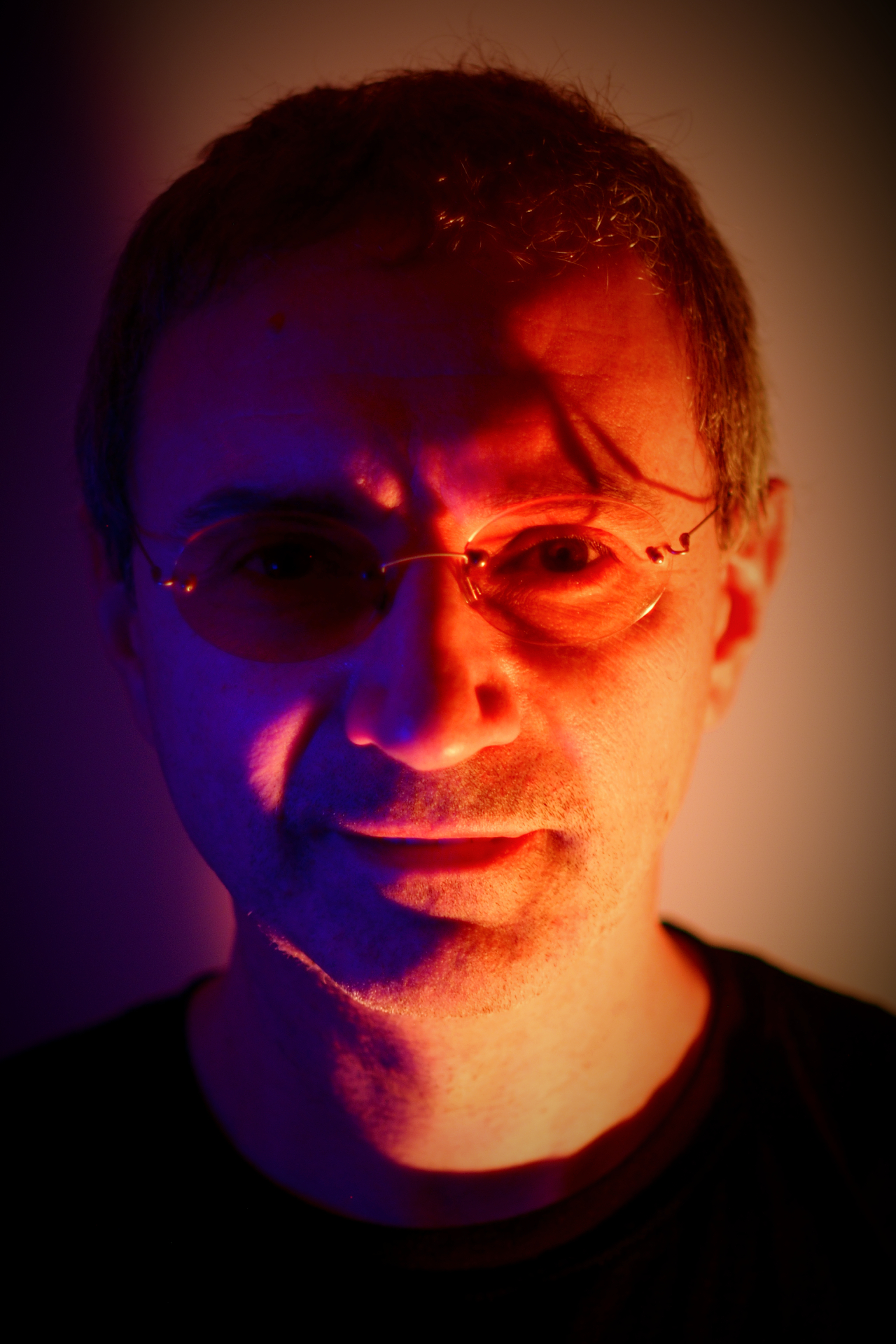
My name is Alessandro Di Benedetti, I'm the founder keyboardist of RPI band Mad Crayon, composer for Samurai of Prog, member of The Guildmaster, and founder of my solo musical project called Inner Prospekt.