Crito from Arcana by Outspan
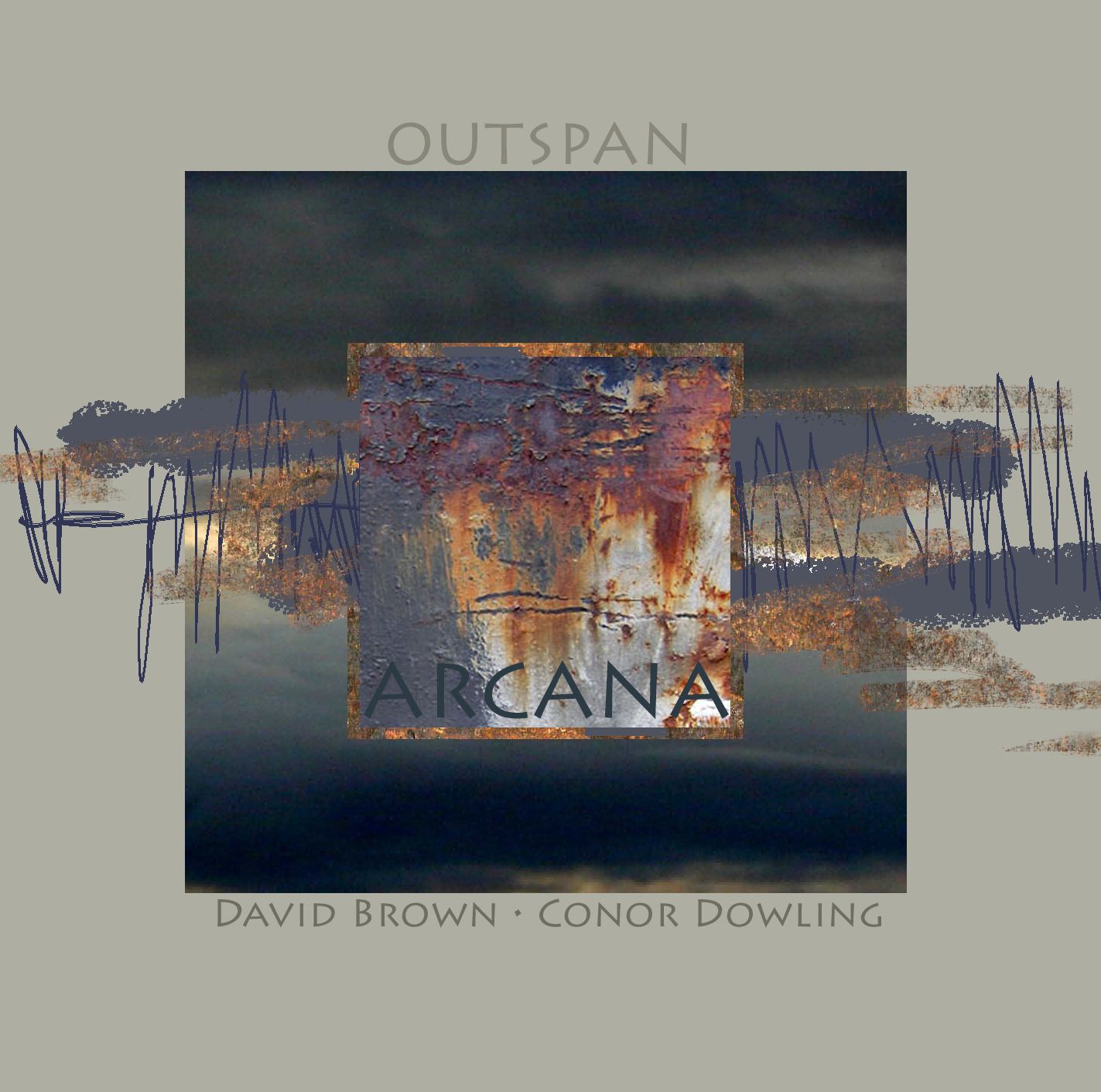
The Death of Socrates is a composition in three movements: It uses an archaic hexatonic scale attributed to Terpander of Lesbos, circa 700 BCE. The ratios used in this scale are: 11/10, 11/9, 11/8, 11/7, 11/6, 1/1. This scale has a serviceable 5th in the 11/8, but no third, putting it outside the realm of western triadic harmony. The scale is quite singable, however, and generally minor sounding in quality.
Crito:
This movement uses a reading of Plato's Crito dialog as the structural basis. The vocal processing makes use of pitch-to-MIDI conversion of the spoken voices to generate synthesizer control information. The voices are repeatedly run through digital reverb to obscure the content. This cumulative process maintains the structure and rhythms of the (translated) dialog while smearing the content into a burbling, resonant space, a technique pioneered by Alvin Lucier in I am Sitting in a Room. This movement employs a combination of the hexatonic scale in C with the traditional Greek Mixolydian mode in G, also attributed to Terpander. This combination yields some very tight dissonances, which are used most noticeably at structural cadence points.

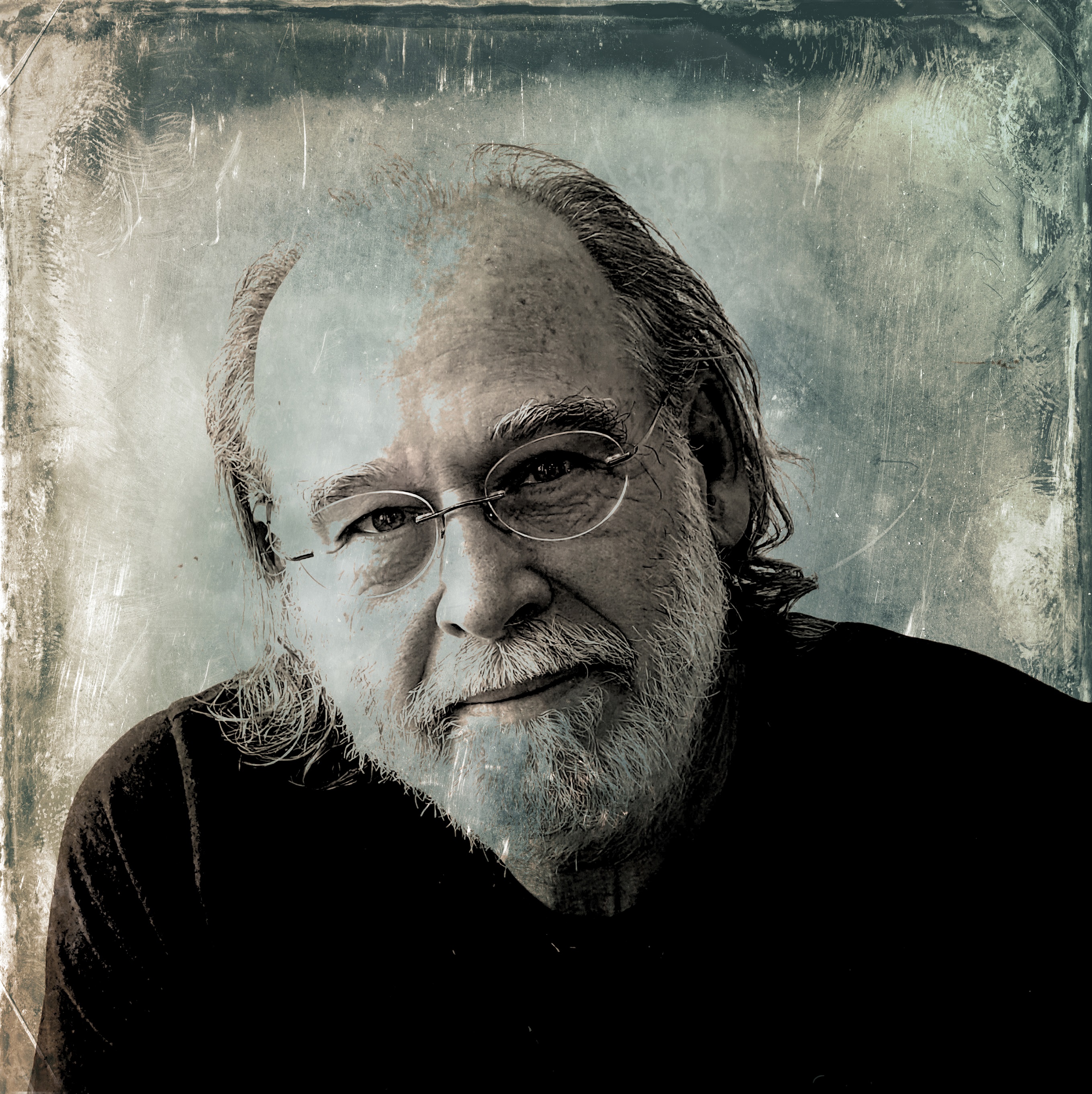
David Brown received his MFA in Music from the Center for Contemporary Music at Mills College in Oakland, California where he studied composition with Anthony Braxton & Kenneth Gaburo and music & information theory with David Rosenboom. His compositions & sound designs combine found sounds with acoustic and electronic instruments to create sound collages of orchestral density.