Carnac from Arcana by Outspan

Carnac uses environmental sounds and field recordings as the foundation, which forms the basic structure of the piece. Much care was devoted to the selection and layout of sample-based “drum” sounds. These were then used to generate algorithmic drum phrases and gestures, from which the bits which were ultimately used were selected. The drum parts form the temporal structure for the piece in an iteration of Fibonacci ratios that shape the work as a whole. To this rhythmic bed we added just-intoned synthesizer, electric bass and the Slovakian fujara, which is the overtone flute that introduces the piece. The bass plays simple notes derived from the harmonic series and functions, along with the synthesizer, in an architectonic fashion (as does the bass in James Tenney’s Electric Guitar Septet, a touchstone for Carnac). The piece uses Fibonacci series members 2, 3, 5, and 8 to determine the relative lengths of subsections of the temporal form.
Tracklist
| 2. | Carnac | 7:32 |
Credits
Richard Hawks: Slovakian fujara
License
All rights reserved.




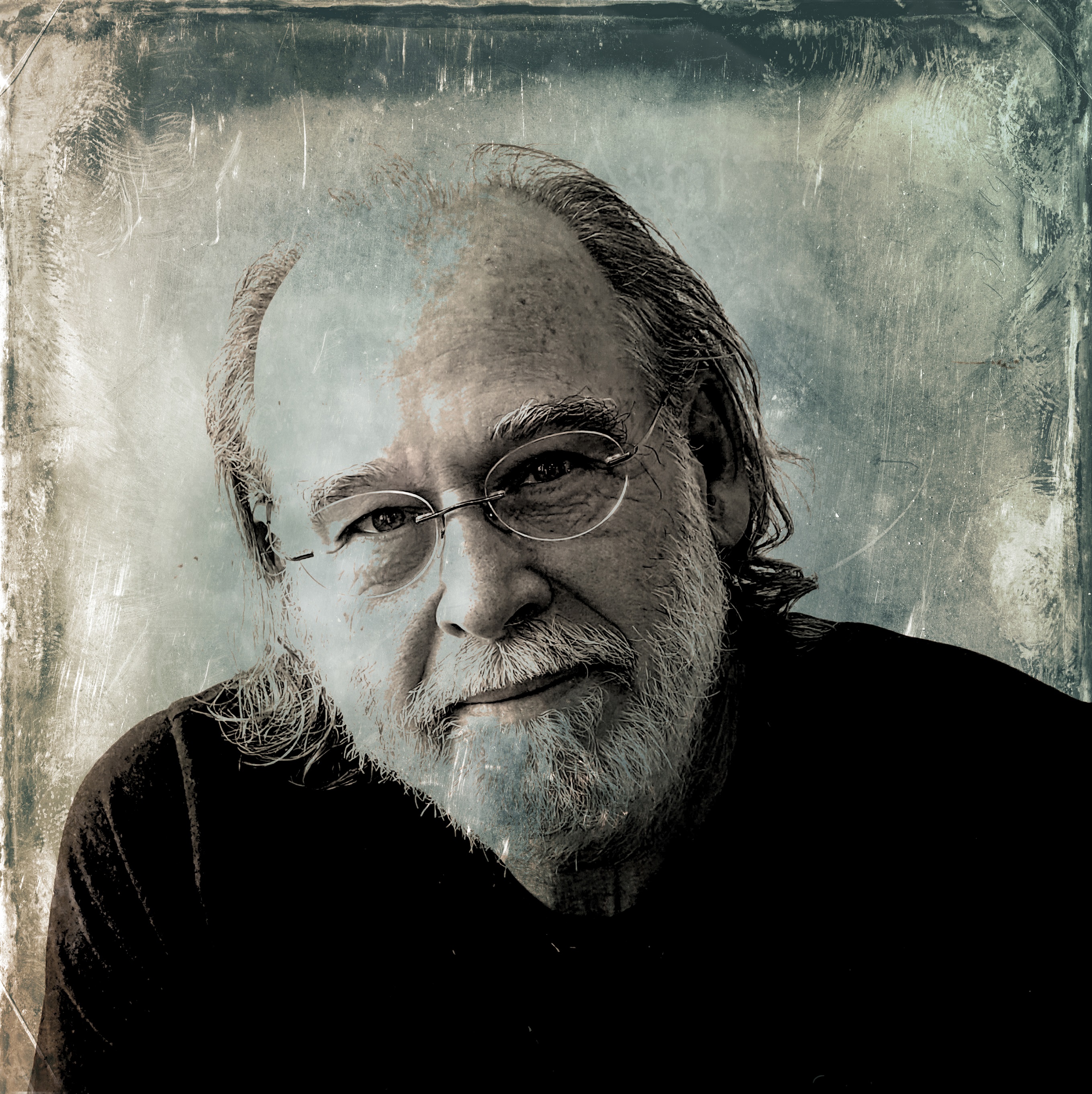
David Brown received his MFA in Music from the Center for Contemporary Music at Mills College in Oakland, California where he studied composition with Anthony Braxton & Kenneth Gaburo and music & information theory with David Rosenboom. His compositions & sound designs combine found sounds with acoustic and electronic instruments to create sound collages of orchestral density.